Materials Detailed Introduction to Commonly Used Materials in the Machining Industry

//

Metallic Materials (Core Material Category in Machining)

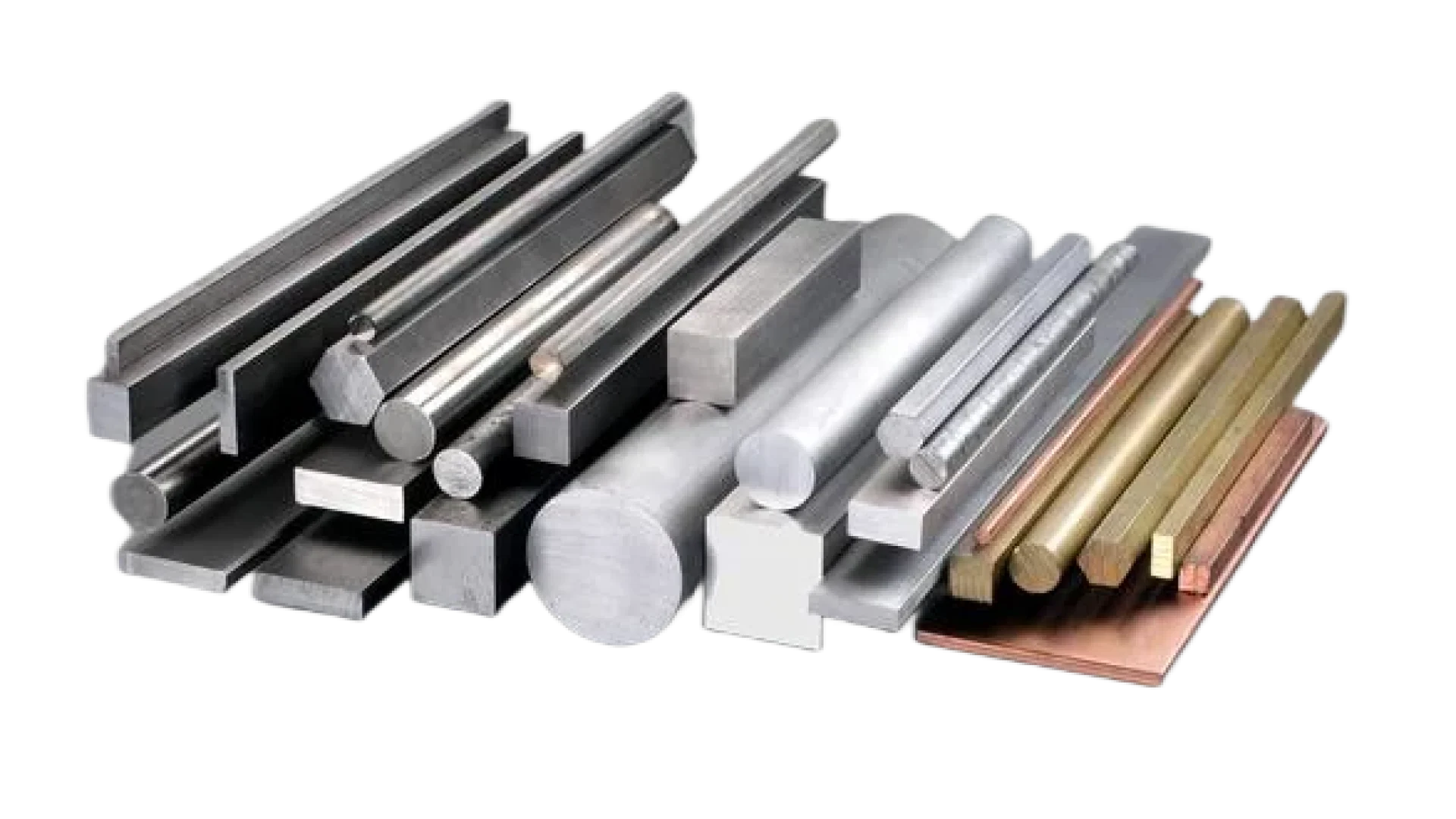
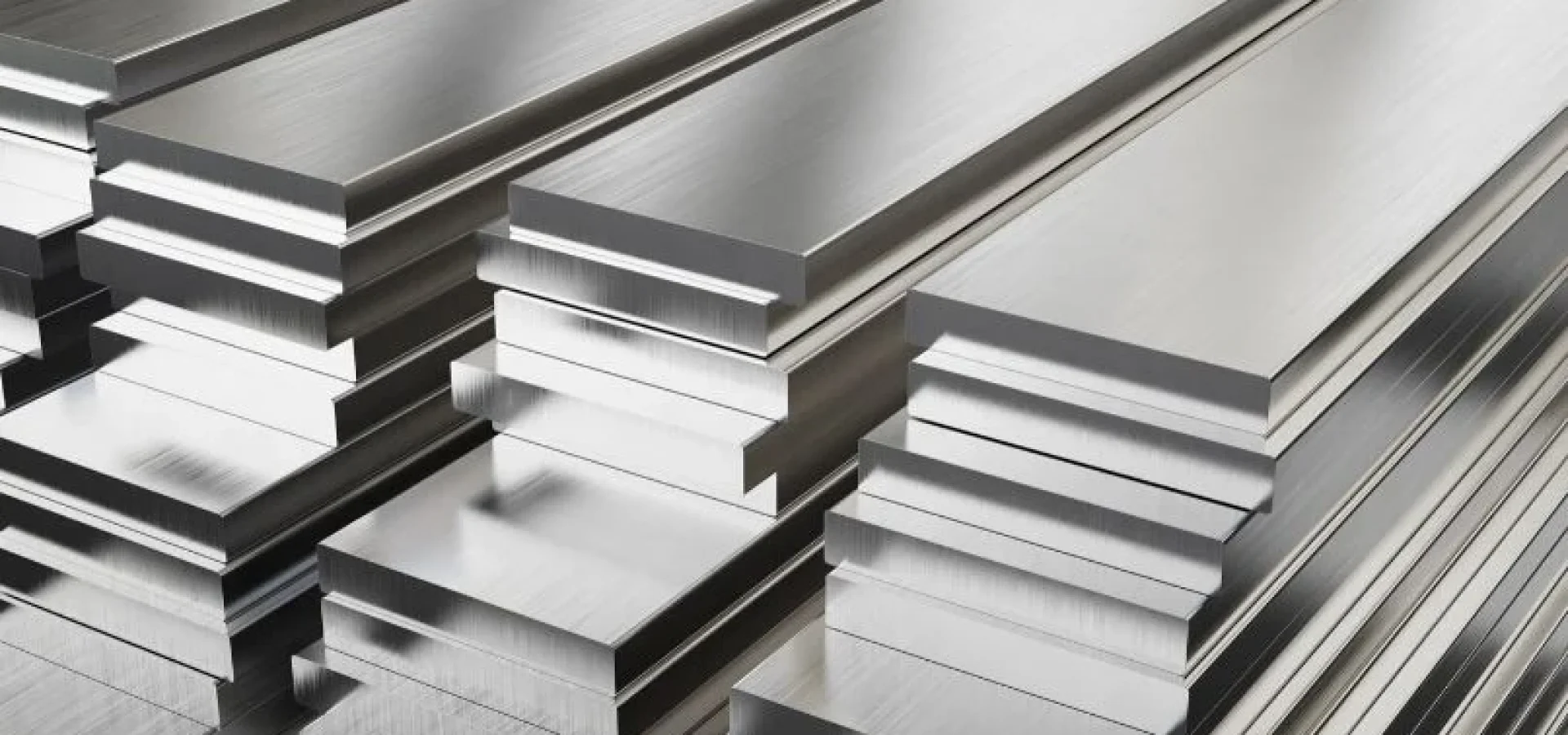
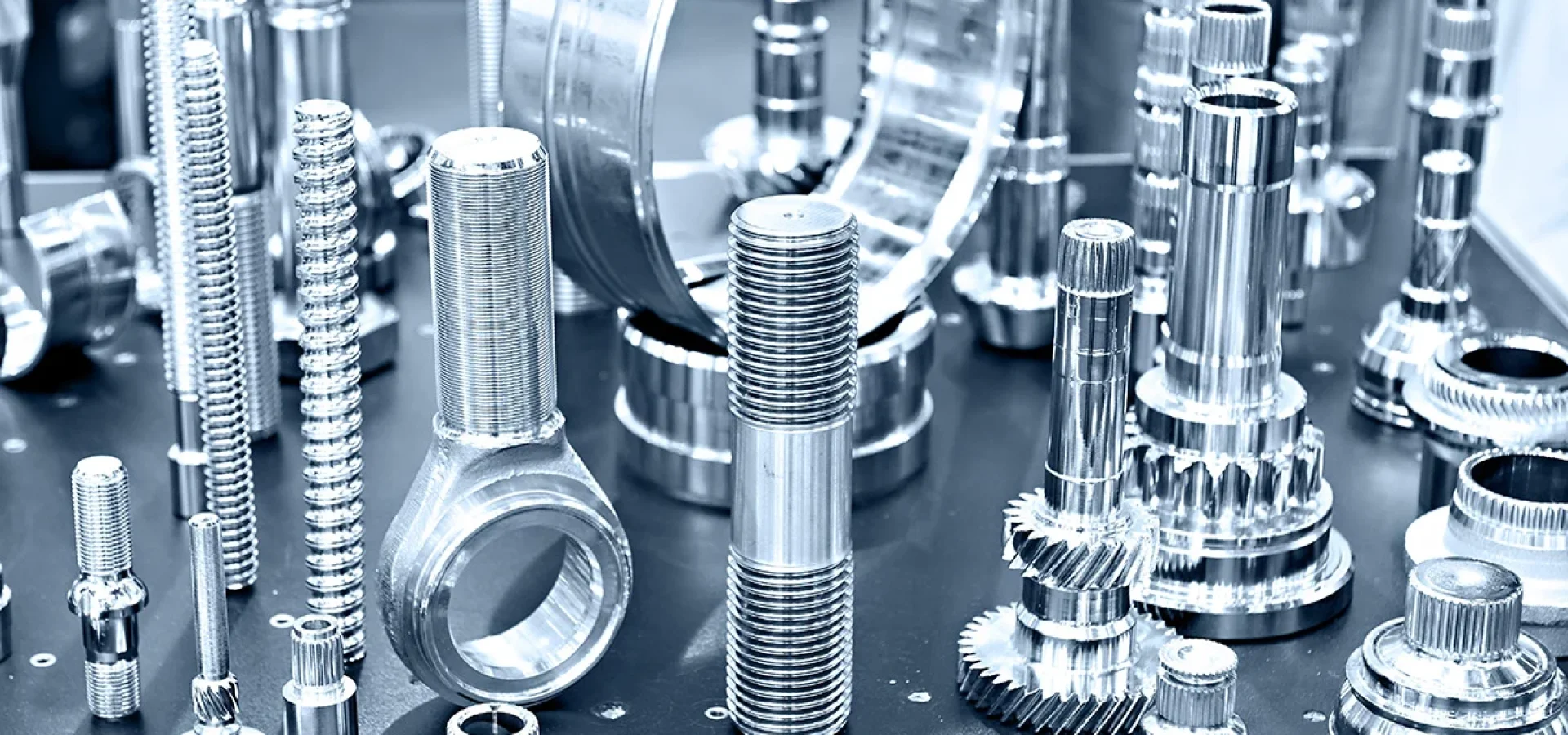
Metallic materials, due to their high strength, high toughness, and excellent machinability, are the most widely used category in machining, accounting for over 80%.

80aa62e7ebeb6657c678844d8f008a56719bce56

A. Steel Materials (Preferred Material for Mechanical Structural Components and Transmission Components)

42d26432c03ef1231b567cdc60b0f12e3d096832

1. Ordinary Carbon Structural Steel

  • Representative Models: Q235 (A3 steel), Q255, Q275

  • Core Components: Carbon content 0.06%-0.38%, contains small amounts of manganese and silicon, no alloying elements

  • Mechanical Properties: Medium strength, good plasticity, excellent weldability, low cost

  • Machining Characteristics: Easy to cut, easy to drill, easy to tap; suitable for ordinary lathes, radial drills, and tapping machines; can perform basic machining such as turning, milling, and drilling; surface roughness after machining can reach Ra3.2-Ra6.3μm

  • Application Scenarios: Mechanical equipment bases, supports, housings, connectors, non-load-bearing structural components, such as machine tool housings, conveyor frames, equipment mounting bases, etc.

  • Advantages and Highlights: Extremely high cost-performance ratio, stable supply, suitable for batch processing, an economical choice for general mechanical parts
7d4ef186dc99b0191515d6d1975c98010207e7c9

2. High-Quality Carbon Structural Steel

  • Representative Models: 10#, 20#, 45#, 65Mn

  • Core Components: Precisely controlled carbon content (0.10%-0.65%), low impurity content, optimized manganese content

  • Mechanical Properties: Strength and hardness increase with increasing carbon content, while plasticity and toughness decrease slightly; 45# steel is a medium-carbon quenched and tempered steel with optimal overall performance; 65Mn is a spring steel with a high elastic limit.

  • Machining Characteristics: Machining performance is superior to ordinary carbon steel, suitable for high-precision turning, milling, and grinding (compatible with CNC lathes, vertical machining centers, and ordinary grinding machines). 45# steel can be precision ground after quenching and tempering, achieving a surface roughness of Ra0.8-Ra1.6μm; high efficiency in tapping and drilling, and less prone to chipping.
  • Application Scenarios:
  1. 10#, 20# steel (low-carbon steel): Suitable for stamping, stretching, and welding parts, such as gear blanks, bushings, connectors, and thin-walled parts.
  2. 45# steel: Suitable for core transmission components and structural parts such as mechanical shafts, gears, connecting rods, bolts, nuts, and pins. ◦65Mn: Suitable for parts requiring high elasticity, such as springs, elastic retaining rings, and clutch plates.

  • Advantages and Highlights: Balanced overall performance, mature processing technology, compatible with our full range of processing equipment, and is the most commonly used mid-to-high-end carbon steel in machining.
2b5a82f47a6872c16bb63a2d90294515ab710580

3. Alloy Structural Steel

  • Representative Models: 40Cr, 20CrMnTi, 35CrMo, 42CrMo

  • Core Components: Based on high-quality carbon steel, alloying elements such as chromium, manganese, titanium, and molybdenum are added. Carbon content is 0.20%-0.45%.

  • Mechanical Properties: High strength, high toughness, good hardenability and wear resistance. 35CrMo and 42CrMo possess excellent high-temperature resistance and fatigue resistance.

  • Machining Characteristics: Moderate cutting performance; requires the use of carbide tools for machining (compatible with CNC lathes and horizontal machining centers). Cutting speed must be controlled during machining (80-120m/min) to avoid overheating. After tempering, it can be precision ground and milled. Surface roughness can reach Ra0.4-Ra0.8μm; weldability needs to be optimized through preheating treatment.
  • Application Scenarios:
  1. 40Cr: Suitable for medium-speed, medium-load transmission components such as gears, shafts, connecting rods, and worm gears.
  2. 20CrMnTi: Suitable for high-precision transmission components such as gears, splined shafts, and piston pins after carburizing and quenching.
  3. 35CrMo, 42CrMo: Suitable for mechanical parts under high temperature, high pressure, and high load conditions, such as engine crankshafts, high-pressure valves, and heavy machinery shafts.

  • Advantages and Highlights: Performance is superior to carbon steel, meeting the requirements of high-requirement mechanical products, and is a core material for high-end equipment manufacturing.
435ab4beb04ca9f6059675e449d0554eb906c449

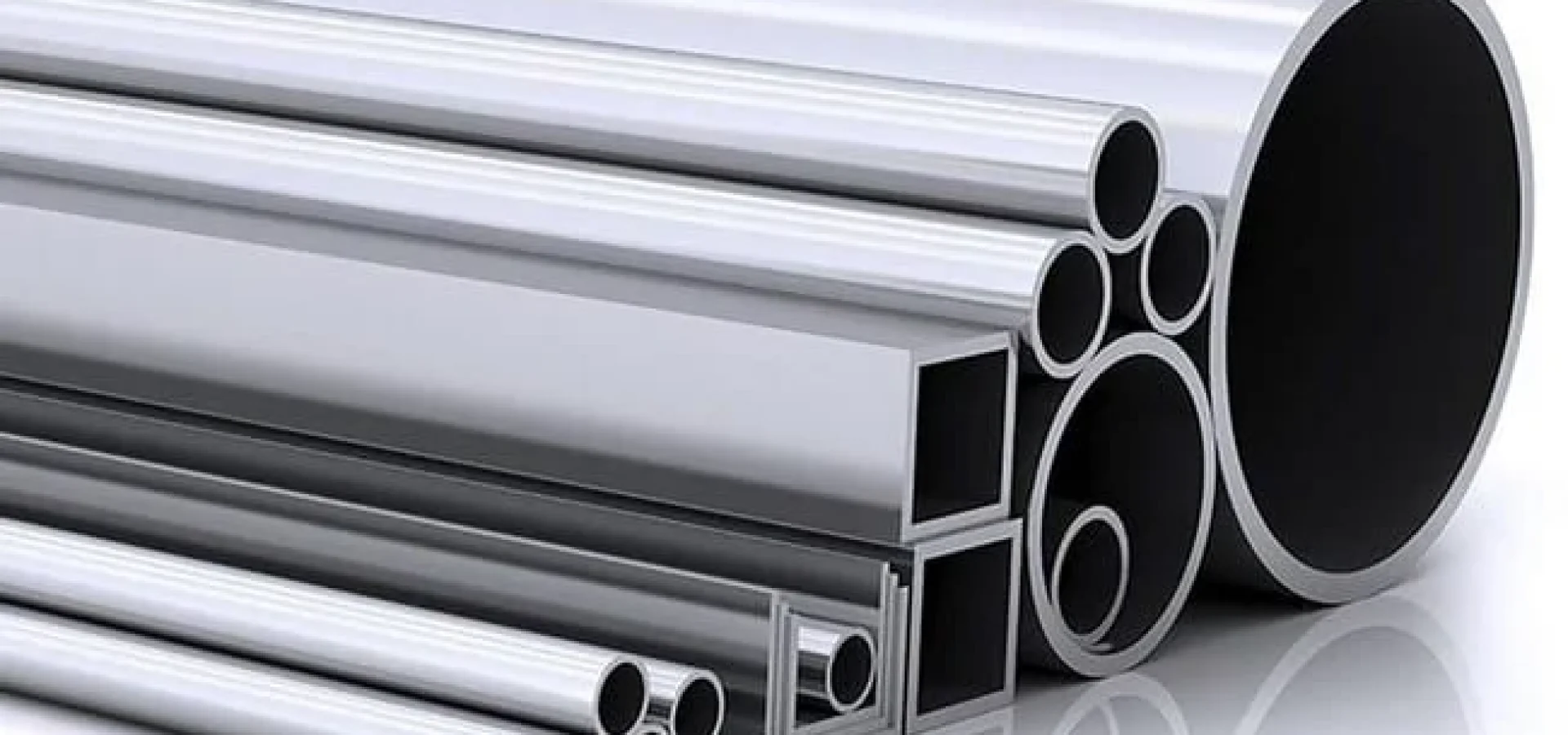
4. Stainless Steel

  • Representative Models: 304, 316, 316L, 430

  • Core Components: 304/316/316L contains chromium (18%-20%) and nickel (8%-14%), 316L adds molybdenum; 430 is ferritic stainless steel and does not contain nickel.
  • Mechanical Properties
  1. Performance: 304/316/316L possesses excellent corrosion resistance, oxidation resistance, and good plasticity; 316L has better corrosion resistance and seawater resistance than 304; 430 has moderate corrosion resistance and slightly higher strength.
    Machining
  2. Characteristics: Cutting resistance is relatively high (approximately 1.5 times that of carbon steel), easily leading to work hardening. Special stainless steel tools (such as YG-type cemented carbide) are required. Suitable for CNC lathes and vertical machining centers. Cutting speed should be controlled at 60-100 m/min. Cooling and lubrication are required during drilling and tapping to prevent tool sticking. Grinding and polishing are possible, with surface roughness reaching Ra0.2-Ra0.4 μm.
  • Application Scenarios:
  1. 304: Suitable for food machinery, chemical equipment, medical devices, and corrosion-resistant structural components, such as valves, pipes, and equipment housings.
  2. 316/316L: Suitable for seawater environments and strong acid/alkali conditions, such as marine machinery parts, chemical reactor accessories, and high-end medical devices. ◦430: Suitable for decorative parts, home appliance accessories, and general corrosion-resistant applications.

  • Advantages and Highlights: Strong corrosion resistance, excellent hygiene performance, suitable for high-requirement working conditions, and a commonly used material for exported machinery products.
99f2589385135cb939c7348028299bba9166a1b5 (1)

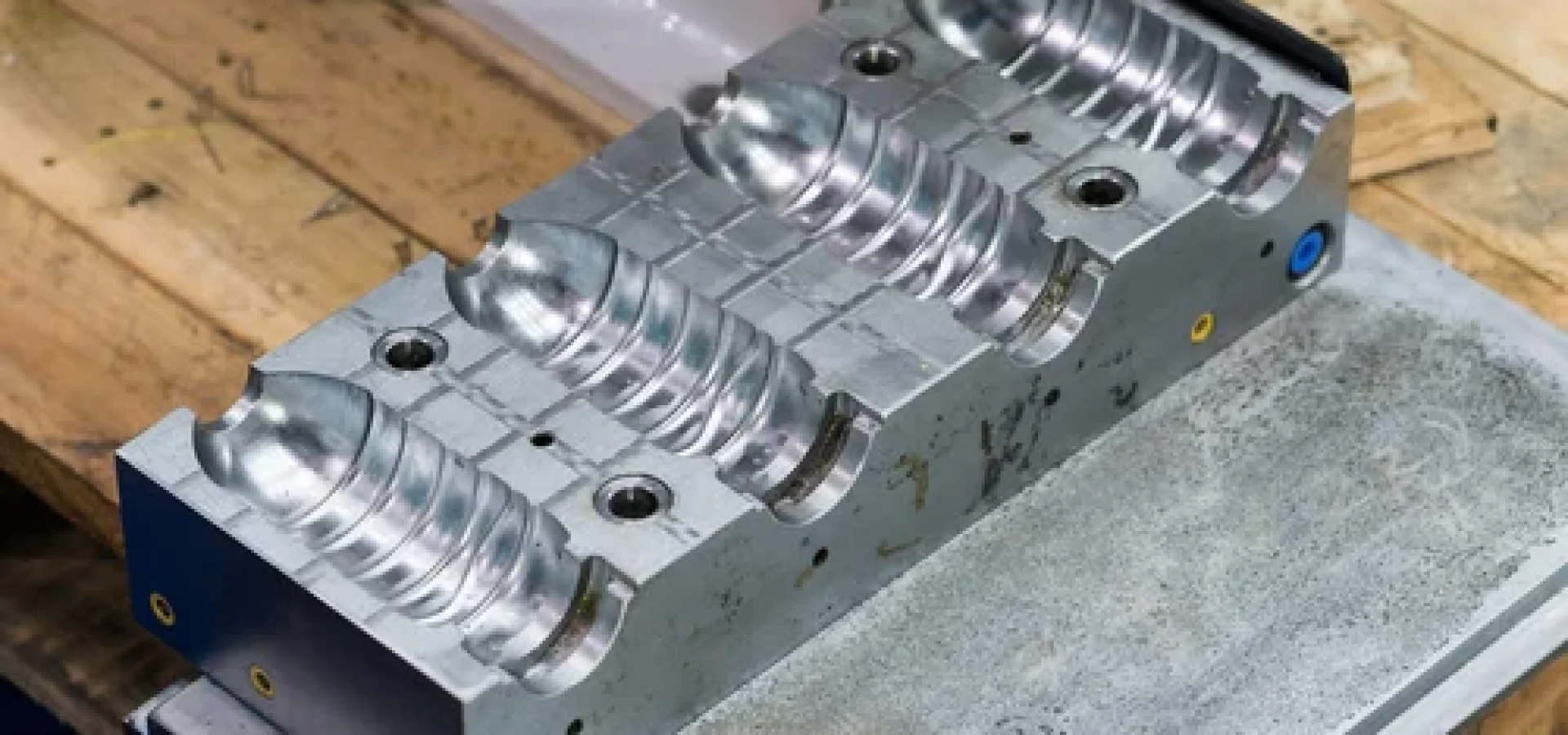
5. Mold Steel

  • Representative Models: Cr12MoV, H13 (4Cr5MoSiV1), S136 (stainless steel mold steel), P20 (pre-hardened mold steel)

  • Core Components: High carbon and high chromium (Cr12MoV), chromium-molybdenum-silicon-vanadium alloy (H13), high-purity stainless steel matrix (S136), carbon content 0.3%-1.5%, containing reinforcing elements such as chromium, molybdenum, vanadium, and silicon.

  • Mechanical Properties: High hardness (HRC55-65 after quenching), high wear resistance, high toughness, good hardenability and dimensional stability; H13 has excellent heat resistance (can withstand high temperatures up to 600℃); S136 combines corrosion resistance and wear resistance.

  • Machining Characteristics: Belongs to difficult-to-machine materials, with high cutting resistance, requiring the use of superhard tools. Examples include CBN and diamond cutting tools, suitable for CNC lathes, vertical/horizontal machining centers, and conventional grinding machines. Pre-processing requires annealing and softening (hardness reduced to HB200-250), with cutting speed controlled at 30-80 m/min. It can perform precision grinding, electrical discharge machining (EDM), and wire cutting, achieving a surface roughness of Ra0.1-Ra0.4 μm.
  • Application Scenarios:
  1. Cr12MoV: Suitable for cold stamping dies, cold extrusion dies, shearing dies, and wear-resistant parts, such as blanking dies, drawing dies, and cutting tools.
  2. H13: Suitable for hot forging dies, hot extrusion dies, and die casting dies, such as aluminum alloy die casting dies and core components of hot forging dies.
  3. S136: Suitable for high-precision, high-corrosion-resistant molds, such as plastic molds and medical device molds.
  4. P20: Suitable for pre-hardened mold substrates, allowing direct machining without subsequent heat treatment.

  • Advantages and Highlights: High hardness and strong wear resistance, suitable for the high requirements of mold processing, making it an ideal material for mechanical… The core material for mold manufacturing during processing. Our company can achieve precision machining of mold steel parts through high-precision machining centers.
67d347386dbd896ce2fef1a9bd74ab2be5d3668c

6. Tool Steel

  • Representative models: High-speed steel (W18Cr4V, W6Mo5Cr4V2), alloy tool steel (9SiCr, CrWMn, 5CrNiMo), carbon tool steel (T8, T10, T12)
  • Core components:
  1. High-speed steel: Contains alloying elements such as tungsten, molybdenum, chromium, and vanadium, with a carbon content of 0.7%-1.2%, possessing high red hardness.
  2. Alloy tool steel: Contains alloying elements such as silicon, chromium, tungsten, manganese, nickel, and molybdenum, with a carbon content of 0.8%-1.5%.
  3. Carbon tool steel: Carbon content of 0.65%-1.35%, without alloying elements, low impurity content.
  • Mechanical properties:
  1. High-speed steel: High hardness (HRC62-66 after quenching), high red hardness (can maintain hardness at 600℃), high wear resistance, good toughness.
  2. Alloy tool steel: High hardness (… • HRC58-64): Good wear resistance and hardenability; some grades possess good toughness and fatigue resistance.

  • Carbon tool steel: High hardness (HRC56-62), good wear resistance, but poor toughness and hardenability, prone to brittle fracture.

  • Machining characteristics:

  • High-speed steel: Difficult to cut, requires carbide or CBN tools, suitable for CNC lathes and vertical machining centers, cutting speed controlled at 20-50 m/min; requires annealing and softening before machining (HB200-240), can be ground and EDM, surface roughness can reach Ra0.2-Ra0.4μm

  • Alloy tool steel: Moderate cutting performance, requires high-speed steel or carbide tools, suitable for conventional lathes, milling machines, and grinding machines, cutting speed 40-80 m/min; can be heat-treated to optimize performance.

  • Carbon tool steel: Good cutting performance, suitable for conventional lathes, drilling machines, and tapping machines, cutting speed… 60-100 m/min; quenching and tempering are required after machining to improve hardness.

  • Application Scenarios:
  1. High-speed steel: Suitable for tool manufacturing (drills, milling cutters, taps, gear cutters), mold accessories, high-precision wear-resistant parts
  2. Alloy tool steel: Suitable for measuring tools (calipers, micrometers), cutting tools, cold work dies, stamping dies, wear-resistant mechanical parts
  3. Carbon tool steel: Suitable for simple tools (hand saw blades, files), measuring tools, low-precision molds, wear-resistant gaskets

  • Advantages and Highlights: High hardness and strong wear resistance make it a dedicated material for core functional components such as tools, measuring tools, and molds. Our company can develop customized processing techniques based on the characteristics of tool steel to ensure the accuracy and service life of parts.
28c43424e0a0b8c3cd18236d32d57152c6f89487

B. Cast Iron

  • Representative Models: Gray cast iron (HT200, HT250, HT300), ductile iron (QT450-10, QT500-7, QT600-3), malleable cast iron (KT300-6, KT350) -10)

  • Core Components: Carbon content 2.5%-4.0%, silicon content 1.0%-3.0%. In gray cast iron, carbon exists as flake graphite; in ductile cast iron, carbon exists as spheroidal graphite (with the addition of spheroidizing agents); in malleable cast iron, after annealing, carbon exists as nodular graphite.
  • Mechanical Properties:
  1. Gray Cast Iron: Medium hardness (HB180-240), good wear resistance, high compressive strength (200-300MPa), but poor plasticity and toughness, brittle. Large
  2. Ductile iron: Excellent overall performance, tensile strength 450-600MPa, plasticity and toughness far superior to gray cast iron, good wear resistance and corrosion resistance.
  3. Malleable cast iron: Good plasticity and toughness, tensile strength 300-350MPa, excellent machinability.
  • Machining characteristics:
  1. Gray cast iron: Excellent cutting performance, graphite acts as a self-lubricant, low tool wear, suitable for general lathes, milling machines, drilling machines, and radial drilling machines, cutting speed can reach 100-1500 MPa. 0 m/min, surface roughness after machining Ra1.6-Ra3.2μm, suitable for basic machining such as drilling, tapping, and milling.
  2. Ductile cast iron: Good cutting performance, slightly inferior to gray cast iron, requires carbide tools, suitable for CNC lathes and vertical machining centers, suitable for precision turning and grinding, surface roughness can reach Ra0.8-Ra1.6μm
  3. Malleable cast iron: Easy to cut and machine, suitable for various basic machining equipment, high processing efficiency, and suitable for mass production.
  • Application scenarios:
  1. Gray cast iron: Mechanical equipment bases, beds, housings, flywheels, gearbox housings, machine tool columns, such as lathe beds, engine blocks, heavy equipment bases
  2. Ductile cast iron: Mechanical shafts, gears, crankshafts, connecting rods, valves, pipe fittings, such as automotive crankshafts, tractor drive shafts, valve bodies
  3. Malleable cast iron: Fasteners, pipe fittings, agricultural machinery parts, small structural parts, such as pipe fittings, wrenches, agricultural machinery gears

  • Advantages and highlights: Cast iron is cheaper than steel, has excellent wear resistance and compressive strength, good casting performance, and can be made into complex-shaped parts. It is an indispensable basic material in heavy machinery and general machinery. Our company can achieve high-precision machining of large cast iron parts through gantry machining centers.
0b9e0240aeb4a999ee5c469994d674357f515d33

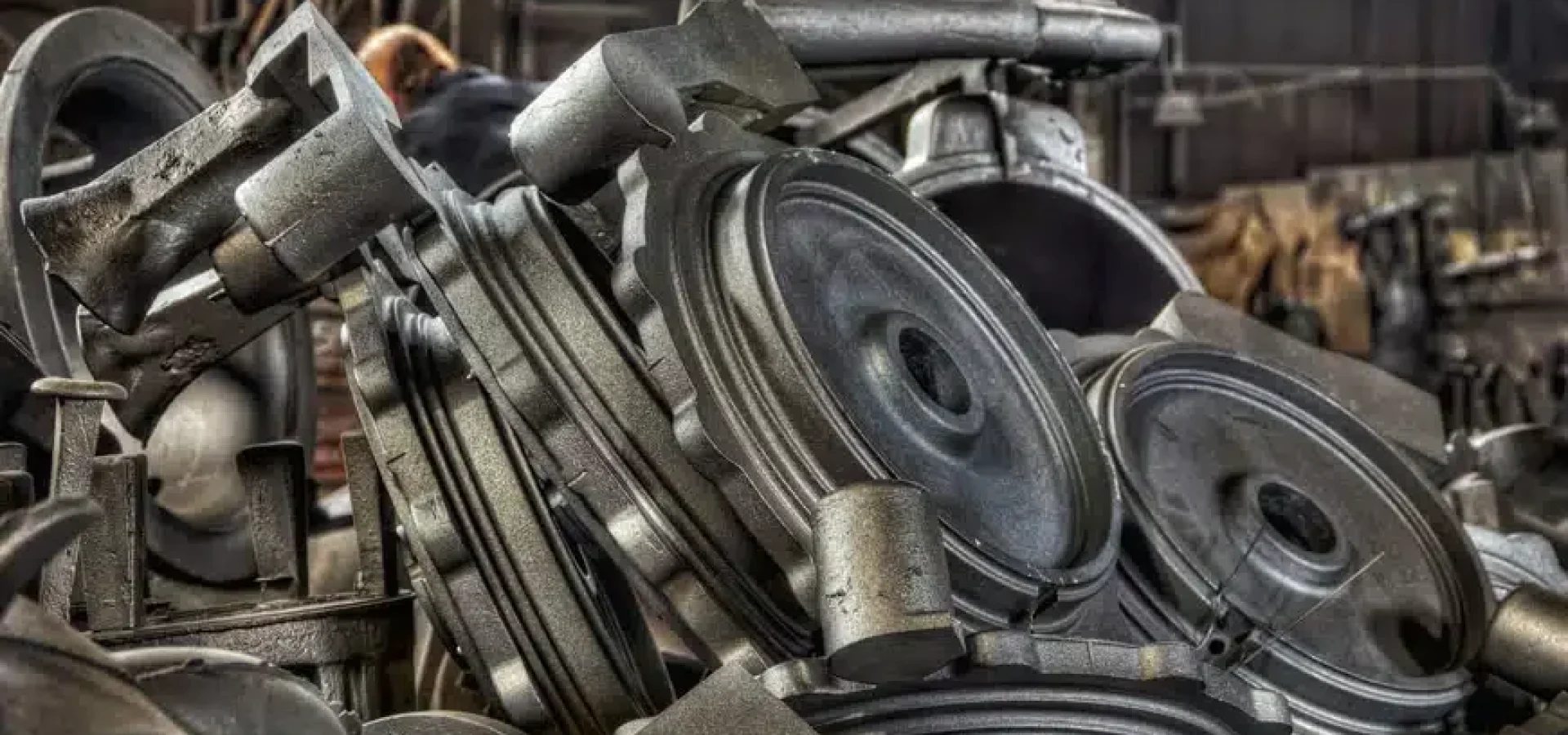
C. Cast Steel

  • Representative models: Carbon cast steel (ZG230-450, ZG270-500, ZG310-570), alloy cast steel (ZG40Cr, ZG35CrMo, ZG20CrMnTi)

  • Core components: Carbon cast steel has a carbon content of 0.15%-0.40% and low impurity content; alloy cast steel adds alloying elements such as chromium, molybdenum, manganese, and titanium to optimize mechanical properties.

  • Mechanical properties: Carbon cast steel has a tensile strength of 230-570MPa, with higher strength and toughness than cast iron and good weldability; alloy cast steel has even higher strength (tensile strength ≥600MPa), excellent wear resistance, high temperature resistance, corrosion resistance, and good hardenability.

  • Machining characteristics Machinability: Moderate cutting performance; carbon cast steel has better machinability than alloy cast steel, requiring high-speed steel or carbide tools. Suitable for CNC lathes, vertical/horizontal machining centers, and gantry machining centers. Cast steel parts are prone to casting defects (such as porosity and sand holes), requiring flaw detection before machining. Cutting speed must be controlled during machining (60-100 m/min) to avoid tool breakage. Heat treatments such as tempering and normalizing can optimize performance, achieving a surface roughness of Ra0.8-Ra1.6 μm after machining.

  • Application Scenarios:
  1. Carbon Cast Steel: Large mechanical structural parts, gearbox housings, couplings, bases, supports, such as heavy equipment frames, marine machinery parts, and mining machinery housings.
  2. Alloy Cast Steel: High-strength transmission parts, wear-resistant parts, and parts for high-temperature and high-pressure applications, such as power plant equipment parts, engineering machinery gears, and high-pressure valve housings.

  • Advantages and Highlights: High strength and good toughness; can cast large parts with complex shapes; suitable for heavy-duty and complex applications. Working conditions are the core structural materials of large mechanical equipment. Our gantry machining centers and horizontal machining centers can meet the processing needs of large cast steel parts.
08dd027f84e4ad0e8a55dfc22df09b6df7c73df5

D. Forged Parts

  • Representative materials: Forged carbon steel (20#, 45#, 65Mn), forged alloy steel (40Cr, 35CrMo, 42CrMo), forged stainless steel (304, 316)

  • Processing technology: Pressure is applied to the metal billet using forging equipment (punch presses, forging presses) to cause plastic deformation and produce parts with the required shape and performance. Subsequent heat treatments such as annealing, normalizing, and tempering optimize performance.

  • Mechanical properties: Forged parts eliminate defects such as porosity, looseness, and segregation inside the metal, resulting in refined grains. Tensile strength, yield strength, and toughness are far higher than those of castings and ordinary machined parts, with strength increased by 30%-50%. Wear resistance and fatigue resistance are excellent.

  • Processing characteristics: Forged parts have high hardness (HB220-300 before heat treatment), making them easier to cut. Forged steel is more resistant than ordinary steel and requires carbide cutting tools. It is compatible with CNC lathes and vertical/horizontal machining centers. Pre-machining softening (e.g., annealing) is necessary, with cutting speeds controlled at 80-120 m/min. Precision turning, milling, and grinding are possible, achieving surface roughness of Ra0.4-Ra0.8 μm.
  • Application Scenarios:
  1. Forged carbon steel: Core components such as mechanical shafts, gears, connecting rods, bolts, and nuts, including engine connecting rods, drive shafts, and high-strength bolts.
  2. Forged alloy steel: High-end transmission components, heavy-duty parts, and parts operating under high temperature and pressure conditions, such as heavy machinery crankshafts, gear shafts, and fasteners for power station equipment.
  3. Forged stainless steel: Corrosion-resistant, high-strength parts, such as drive shafts in chemical equipment and connecting parts for marine machinery.

  • Advantages and Highlights: High strength and stable performance make it the first choice for core load-bearing and transmission components in mechanical products. Our company can perform precision machining of forged parts using high-precision equipment, ensuring dimensional accuracy and surface quality.

E. Non-ferrous Metals and Alloys (Preferred for lightweight, corrosion-resistant, and electrical/thermal conductivity requirements)

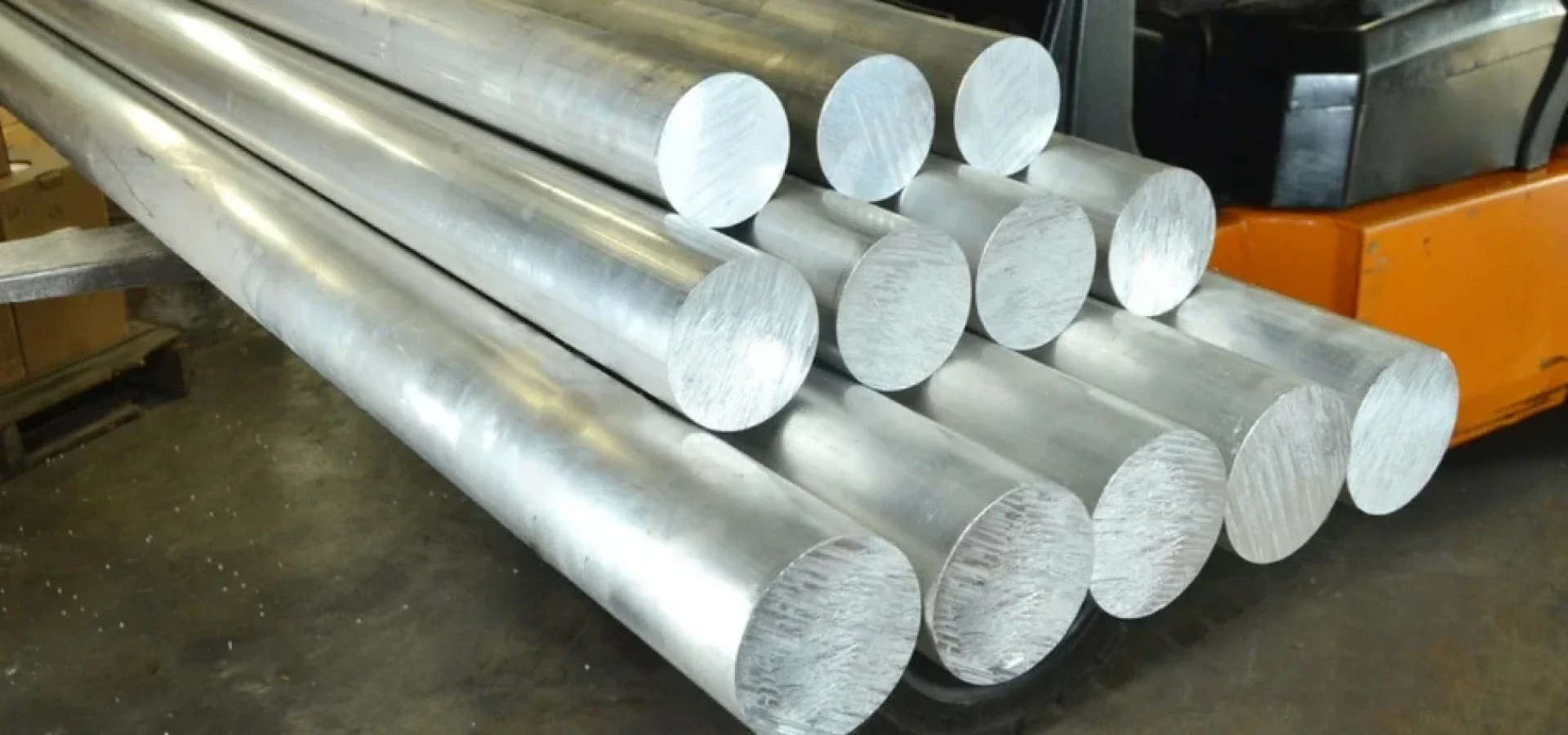
7. Aluminum Alloys

372c28e1778fcc5215c124db8da7e95b3d918fb9

a. Wrought Aluminum Alloys (Commonly Used in Machining Cores)

  • Representative Models and Series:
  1. 1XXX Series (Pure Aluminum): 1050, 1060, 1100 (Aluminum content ≥99.0%)
  2. 2XXX Series (Aluminum-Copper Alloy): 2024 (Contains 4.4% Copper, 1.5% Magnesium)
  3. 3XXX Series (Aluminum-Manganese Alloy): 3003, 3A21 (Contains 1.2%-1.6% Manganese)
  4. 5XXX Series (Aluminum-Magnesium Alloy): 5052, 5083, 5754 (containing 2%-5% magnesium)
  5. 6XXX Series (Aluminum-Magnesium-Silicon Alloy): 6061, 6063, 6082 (containing 0.4%-1.2% magnesium, 0.4%-1.3% silicon)
  6. 7XXX Series (Aluminum-Zinc-Magnesium-Copper Alloy): 7075, 7050 (containing 5%-7% zinc, 2%-3% magnesium, 1%-2% copper)
  • Core Components and Mechanical Properties:
  1. XXX Series: High purity, excellent electrical and thermal conductivity (conductivity ≥60% IACS), good plasticity (elongation) ≥25%), but low strength (tensile strength ≤150MPa), excellent corrosion resistance

  • 2XXX series: High strength (tensile strength ≥420MPa), high hardness (HB120-150), but poor corrosion resistance, requiring anodizing or chrome plating treatment
  • 3XXX series: Good corrosion resistance, excellent plasticity, good weldability, medium strength (tensile strength 180-250MPa)
  • 5XXX series: Excellent corrosion resistance (especially seawater corrosion resistance), good plasticity, medium to high strength (5083 tensile strength ≥300MPa) Pa), no risk of stress corrosion cracking
  • 6XXX series: Optimal overall performance, moderate strength (6061 tensile strength ≥270MPa), good plasticity, excellent corrosion resistance, good weldability, and can be heat-treated for strengthening
  • 7XXX series: Ultra-high strength (7075 tensile strength ≥540MPa), high hardness (HB150-180), close to ordinary steel, but with moderate corrosion resistance, requiring anti-corrosion treatment
  • Machining characteristics:
  1. Common: Generally excellent machinability, cutting speed 150-300m/min (7XXX series omitted) Low speed (120-250 m/min), suitable for CNC lathes, vertical machining centers, ordinary milling machines and other equipment, producing high surface finish (Ra0.8-Ra1.6μm); easy to drill, tap, and mill; some models (such as 6063) can be extruded and bent.
  2. Characteristics: 1XXX series is prone to tool sticking, requiring the addition of cutting fluid during machining; 2XXX and 7XXX series have higher hardness, requiring the use of carbide tools; 6XXX series has the most balanced machining performance, suitable for batch precision machining.
  • Application Scenarios: ◦ 1XXX series: guide Electrical components, heat-conducting components, and decorative components, such as wires and cables, radiators, chemical equipment pipelines, and food machinery parts.
  1. 2XXX series: Aerospace parts, high-end mechanical structural components, and automotive parts, such as aircraft wing frames and high-strength connectors.
  2. 3XXX series: Heat exchangers, pressure vessels, marine fittings, and food processing equipment.
  3. 5XXX series: Marine machinery parts, ship decks, automotive bodies, and corrosion-resistant containers.
  4. 6XXX series: General-purpose mechanical structural components, automotive parts, electronic equipment housings, building profiles, and furniture accessories (6063 is commonly used in extrusion). Pressed profiles, 6061 is commonly used for machined parts.
  5. 7XXX series: aerospace core parts, high-end sports equipment, high-precision mechanical shafts, UAV frames
ee21208ebc17ddb62b5d0ba257d62c0b0bed5502

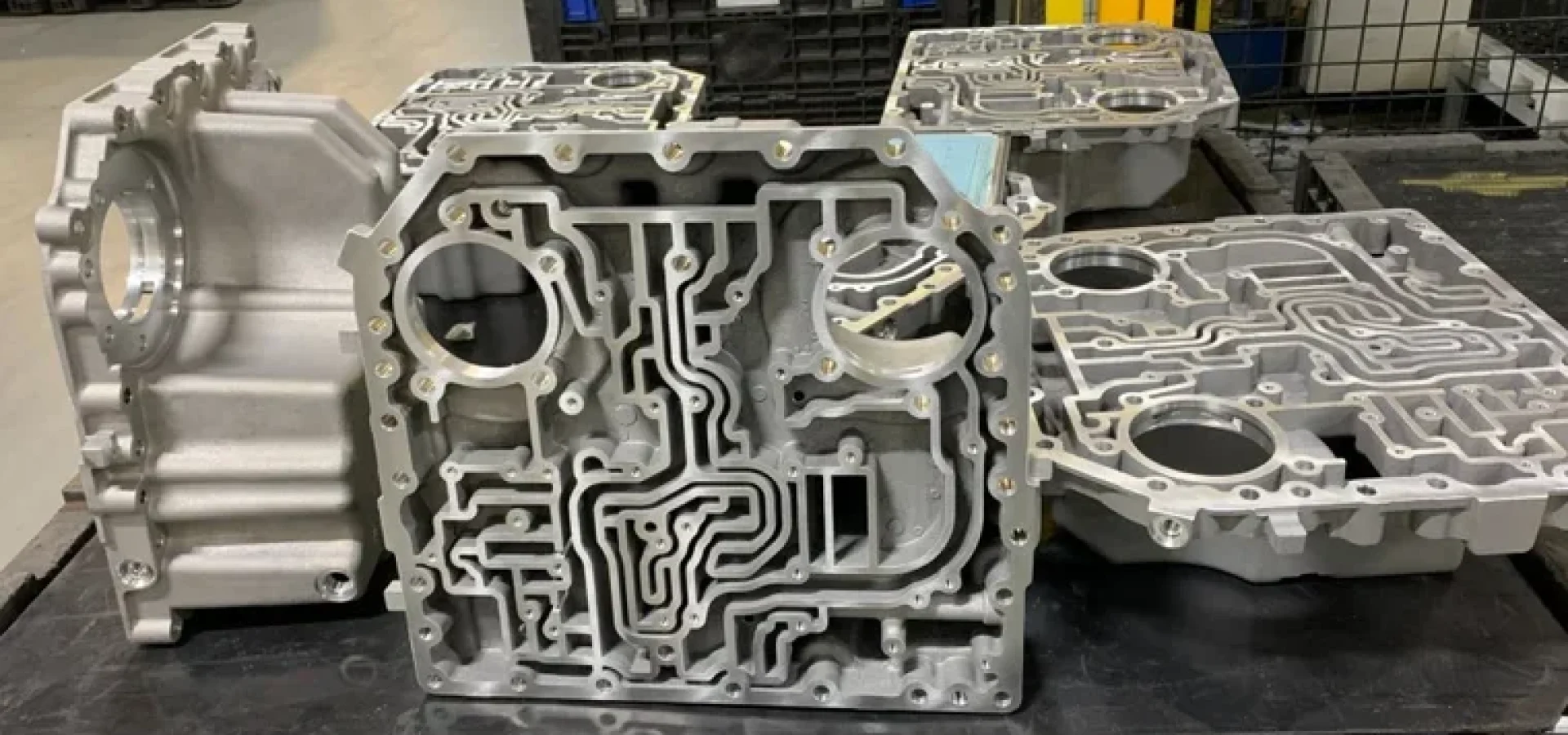
b. Cast aluminum/aluminum casting

  • Representative models:
  1. Aluminum-silicon alloys (ADC12, A356, ZL101, ZL104): Containing 6%-12% silicon, the most commonly used cast aluminum alloys
  2. Aluminum-copper alloys (ZL201, ZL203): Containing 4%-6% copper, high-strength cast aluminum alloys
  3. Aluminum-magnesium alloys (ZL301, ZL303): Containing 5%-10% magnesium Excellent corrosion resistance
  4. Aluminum-zinc alloys (ZL401, ZL402): Contain 8%-12% zinc, good casting performance, high strength

  • Casting processes: Sand casting, die casting, gravity casting, low-pressure casting, among which die casting (ADC12, A356) and gravity casting (ZL101, ZL104) are the most widely used in machining

  • Core components and mechanical properties:
  1. Aluminum-silicon alloys: Good fluidity, excellent casting performance, low shrinkage (0.8%-1.2%), not prone to porosity and shrinkage cavities; ADC12 has moderate strength (tensile strength ≥ A356 has higher strength (tensile strength ≥ 290 MPa) and good toughness (HB 80-100); A356 has even higher strength (tensile strength ≥ 290 MPa) and good toughness.
  2. Aluminum-copper alloy: High strength (ZL201 tensile strength ≥ 330 MPa), high hardness (HB 100-130), but poor corrosion resistance and average casting performance.
  3. Aluminum-magnesium alloy: Excellent corrosion resistance, good plasticity, and moderate strength (ZL303 tensile strength ≥ 200 MPa), but poor casting fluidity.
  4. Aluminum-zinc alloy: High strength (ZL401 tensile strength ≥ 300 MPa), good casting performance. Low cost, but poor corrosion resistance
  • Machining characteristics:
  1. Cast aluminum parts have poor surface roughness (Ra6.3-Ra12.5μm after casting), requiring machining (turning, milling, grinding) to improve accuracy. Suitable for CNC lathes, vertical machining centers, and conventional grinding machines.
  2. Aluminum-silicon alloys have the best machinability, low cutting resistance, low tool wear, and a cutting speed of 120-250m/min; aluminum-copper and aluminum-zinc alloys have higher hardness and require the use of carbide tools.
  3. Cast aluminum parts may have internal defects such as porosity and sand holes, requiring flaw detection before machining. Cutting depth must be controlled during processing to avoid edge chipping.
  4. Surface treatments such as anodizing, spraying, and electroplating can be performed to improve corrosion resistance and appearance.
  • Application Scenarios:
  1. Aluminum-silicon alloy (ADC12): Automotive parts (engine blocks, transmission housings, wheel hubs), electronic device housings, mechanical parts (valves, pump bodies)
  2. Aluminum-silicon alloy (A356, ZL101): High-end mechanical parts, aerospace parts, medical device housings
  3. Aluminum-copper alloy (ZL201): Heavy machinery structural parts, high-pressure valve housings, military parts
  4. Aluminum-magnesium alloy (… ZL303: Marine machinery parts, chemical equipment accessories, corrosion-resistant containers
  5. Aluminum-zinc alloy (ZL401): General mechanical parts, appliance housings, small structural components

Advantages and highlights: Significantly lightweight (density 2.6-2.8g/cm³), good casting performance, can be made into complex-shaped parts, high processing efficiency, lower cost than wrought aluminum alloys, making it the preferred material for lightweight complex parts in machining
720e434df8b06cb2f9b1679fd1ee9a336a324af8

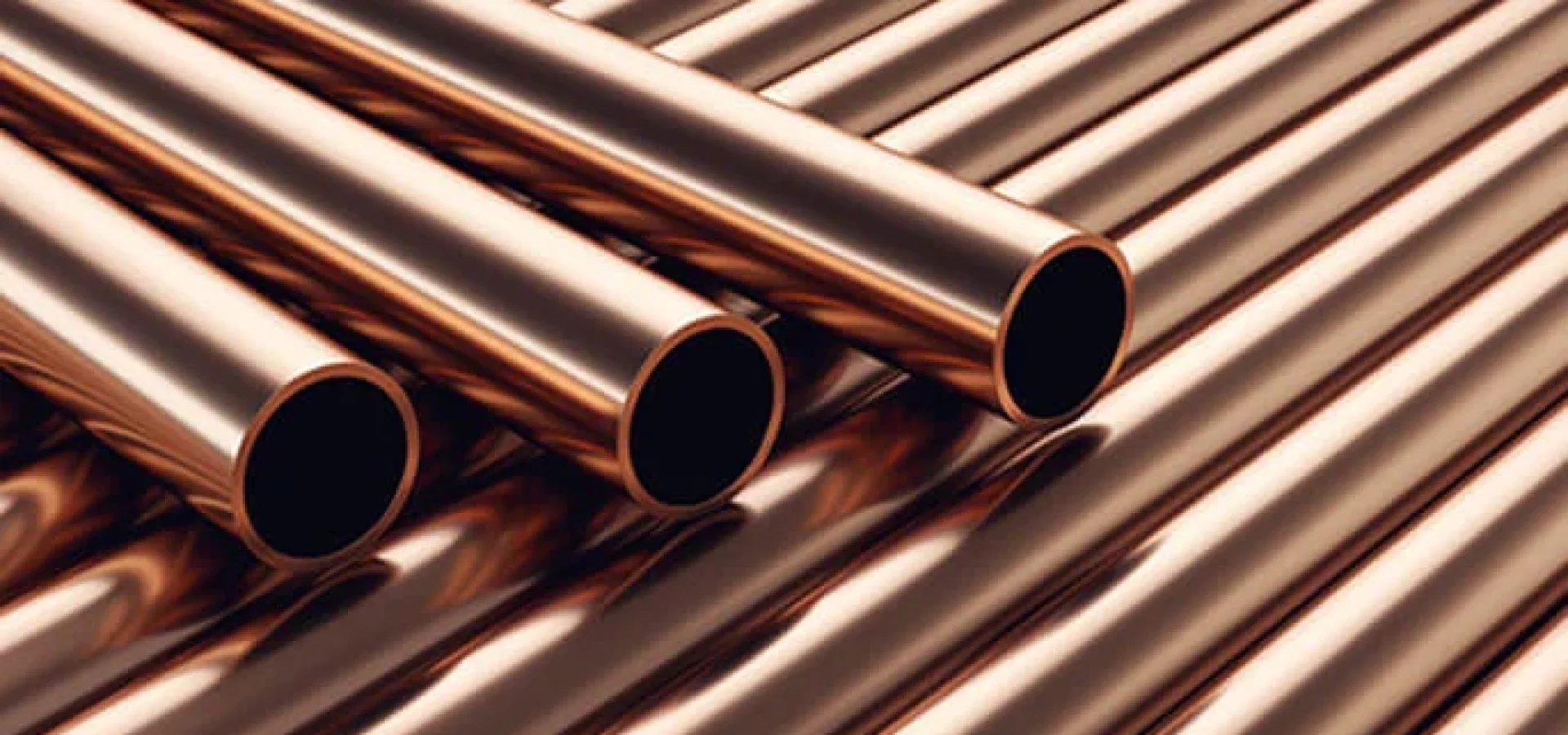
8. Copper and copper alloys

  • Representative models: Red copper (T2), brass (H62, H65), bronze (QSn6.5-0.1)

  • Core Components: Pure copper (copper content ≥ 99.9%); brass is a copper-zinc alloy; bronze is a copper-tin alloy.

  • Mechanical Properties: Pure copper has excellent electrical and thermal conductivity and good plasticity, but low strength; brass has higher strength and hardness than pure copper and better wear resistance; bronze possesses excellent wear resistance, corrosion resistance, and fatigue resistance.

  • Machining Characteristics: Moderate cutting performance; brass has better cutting performance than pure copper, requiring high-speed steel or carbide tools. Suitable for machining on conventional lathes, CNC lathes, and tapping machines; prone to tool sticking, requiring the addition of cutting fluid during machining; can be forged, stamped, and welded. Electroplating and other processing
  • Application Scenarios:
  1. Copper: Suitable for conductive and heat-conducting parts, such as cables, radiators, and conductive terminals.
  2. Brass: Suitable for valves, pipe fittings, gears, bearings, fasteners, and decorative parts.
  3. Bronze: Suitable for wear-resistant and corrosion-resistant parts, such as bushings, gears, and valve cores.

  • Advantages and Highlights: High electrical and thermal conductivity, good wear resistance, and aesthetically pleasing appearance; suitable for high-precision and high-functionality mechanical parts.
e3e4767098f6b5776245b3791d49615f065c06c8

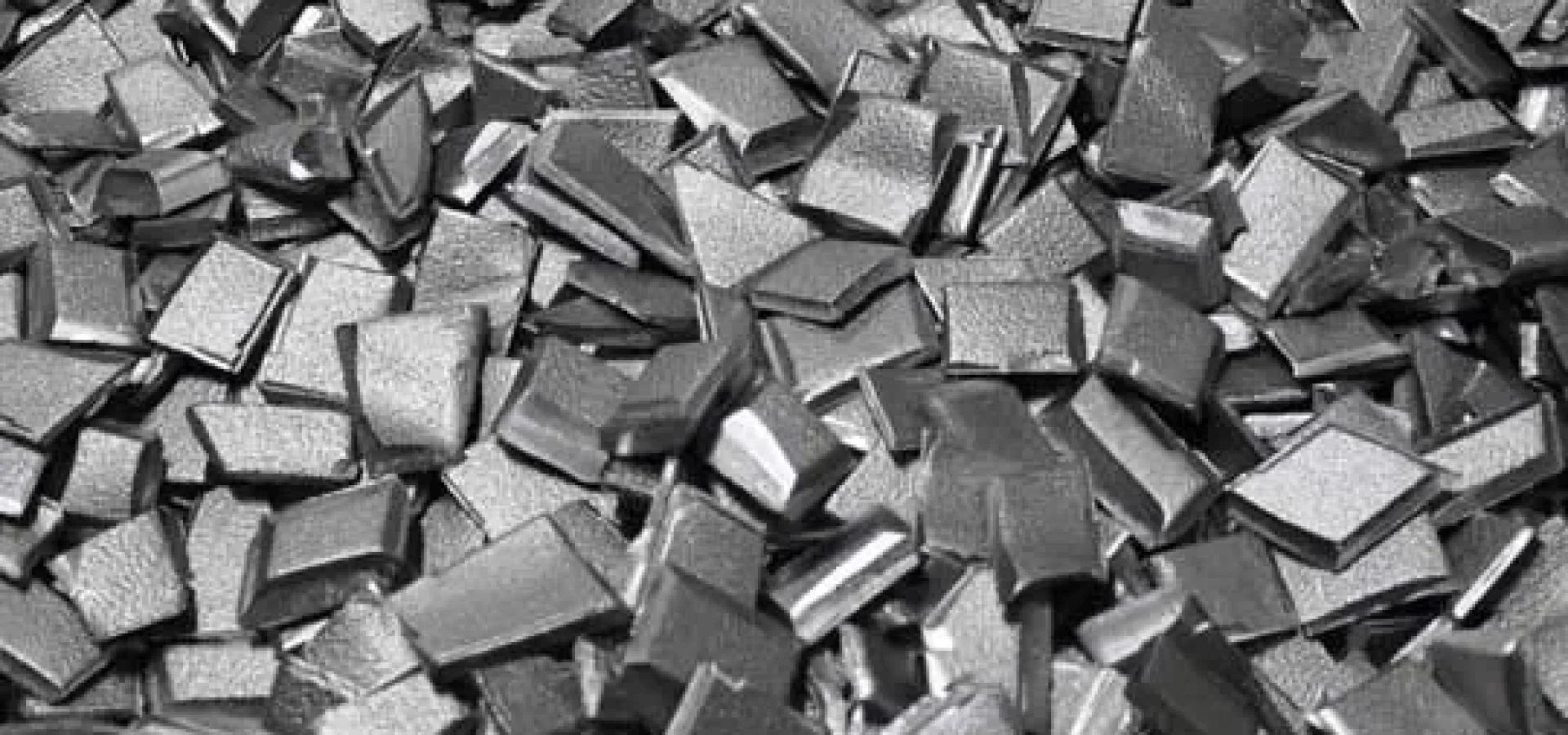
9. Titanium Alloy

  • Representative Model: TC4 (Ti-6Al-4V)

  • Core Components: Titanium-based alloy with added aluminum and vanadium. Element, density 4.5 g/cm³ (approximately 56% of steel)

  • Mechanical properties: High strength (tensile strength ≥900 MPa), high toughness, excellent corrosion resistance (resistant to seawater, strong acids and alkalis), high temperature resistance (can be used for extended periods at 300-500℃)

  • Machining characteristics: Difficult to cut, classified as a hard-to-machine material, high cutting resistance, prone to work hardening, requires specialized titanium alloy tools (such as PCD tools), suitable for CNC lathes and horizontal machining centers, cutting speed controlled at 30-80 m/min; sufficient cooling is required during machining. However, it avoids high-temperature oxidation and can be precision-ground and EDMed.

  • Application Scenarios: Aerospace parts, marine engineering equipment, medical devices (artificial joints, orthopedic implants), core components of high-end precision machinery

  • Advantages and Highlights: Extremely high strength-to-weight ratio, excellent corrosion and high-temperature resistance, making it a scarce material in high-end equipment manufacturing, and compatible with our company’s high-precision machining capabilities.

Non-metallic Materials (Commonly Used Materials for Auxiliary Structural Components and Special Functional Components)

Non-metallic materials possess characteristics such as light weight, corrosion resistance, insulation, and shock absorption, and are often used as a supplement to metallic materials.

a525c68f0367fd7f8ab88f2992fcf79d7b563ab8

A. Engineering Plastics

40d667aa6293718ee5f0fe5c72fc0a8b56e58f27

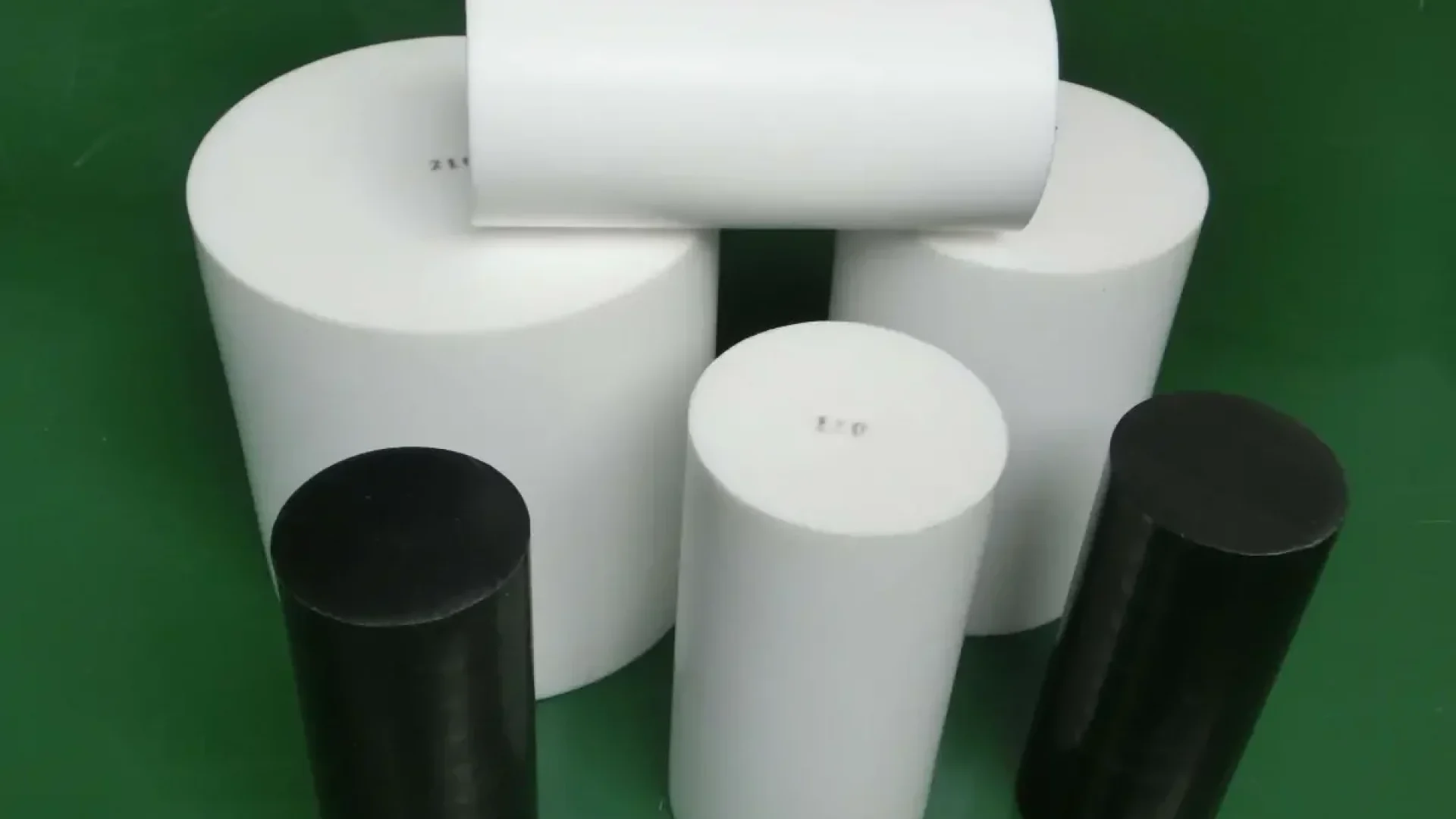
10. Polytetrafluoroethylene (PTFE)

  • Core Characteristics: Extremely strong corrosion resistance (resistant to all strong acids, alkalis, and organic solvents), high temperature resistance (-200℃ to 260℃), extremely low coefficient of friction (good self-lubricating properties), excellent insulation properties

  • Processing Characteristics: Can be turned, milled, and drilled (compatible with ordinary lathes and radial drills). Cutting speed must be controlled during processing (20-50m/min) to avoid dust generation; it is easily deformed and requires special fixtures for fixation.

  • Application Scenarios: Seals (sealing rings, gaskets), bearings, guide rails, corrosion-resistant pipes, Components and Insulation Parts

  • Advantages and Highlights: “King of Plastics,” suitable for extreme working conditions, a core non-metallic material for special environments
1be1307c2c4b612c49af14753c9fa4257f7d2397

11. Nylon (PA6, PA66)

  • Core Characteristics: High strength, good toughness, excellent wear resistance, with certain oil and corrosion resistance, and good machinability

  • Machining Characteristics: Easy to cut, drill, and tap; suitable for machining on ordinary lathes, tapping machines, and ordinary milling machines; surface roughness after machining can reach Ra1.6-Ra3.2μm; strong hygroscopicity, requires drying before machining

  • Application Scenarios: Gears, bushings, fasteners, etc. Handles, shells, and other mechanical, structural,l and functional components

  • Advantages and Highlights: High cost-effectiveness, wear-resistant and shock-absorbing, can replace some metal materials, reducing product weight
008ae5ad5e672e5c704b61bc993684e29368a95b

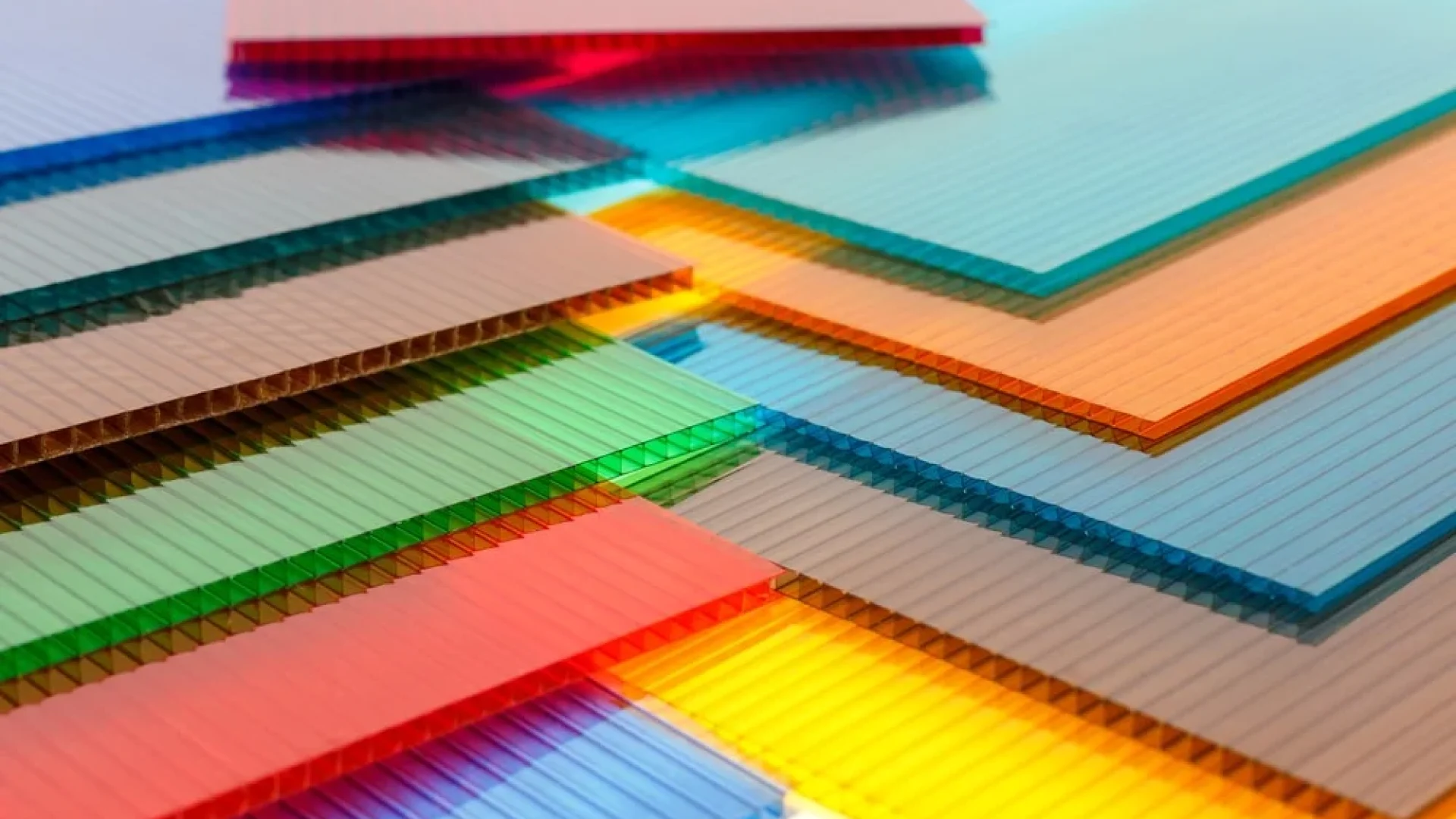
12. Polycarbonate (PC)

  • Core Characteristics: High light transmittance (≥90%), high impact strength, good weather resistance, excellent insulation properties, high temperature resistance (-40℃ to 120℃)

  • Processing Characteristics: Can be turned, milled, and drilled (compatible with CNC lathes and ordinary milling machines), with moderate cutting speeds (80-120m/min) to avoid cracking; can be bent and injection molded

  • Application Scenarios: Transparent shells, Protective covers, observation windows, instrument housings, insulating parts

  • Advantages and highlights: Combining light transmittance and impact resistance, suitable for mechanical parts requiring both visualization and protection.

B. Composite Materials

7fece7b81b192ecaa9e38d7a8b9f6c671032f482

13. Carbon Fiber Reinforced Composite Material (CFRP)

  • Core components: Composed of carbon fiber and resin matrix (epoxy resin, phenolic resin), density 1.5-1.8 g/cm³

  • Mechanical properties: High strength (tensile strength ≥3000MPa), high modulus, lightweight, strong corrosion resistance, good high temperature resistance

  • Processing characteristics: A difficult-to-machine material, requiring diamond tools or carbide… Cutting tools are suitable for vertical machining centers and CNC milling machines, with cutting speeds controlled at 50-100 m/min. Dust removal is required during processing to avoid carbon fiber dust pollution. Drilling, milling, and grinding are possible.

  • Application Scenarios: Aerospace parts, core structural components of high-end machinery, lightweight automotive parts, medical devices

  • Advantages and Highlights: Strength-to-weight ratio far exceeds that of metal materials, making it an ideal material for high-precision machinery, showcasing product technological strength.
6d8e6e26db576f0967e02c09f0dd556f2d5dbe04

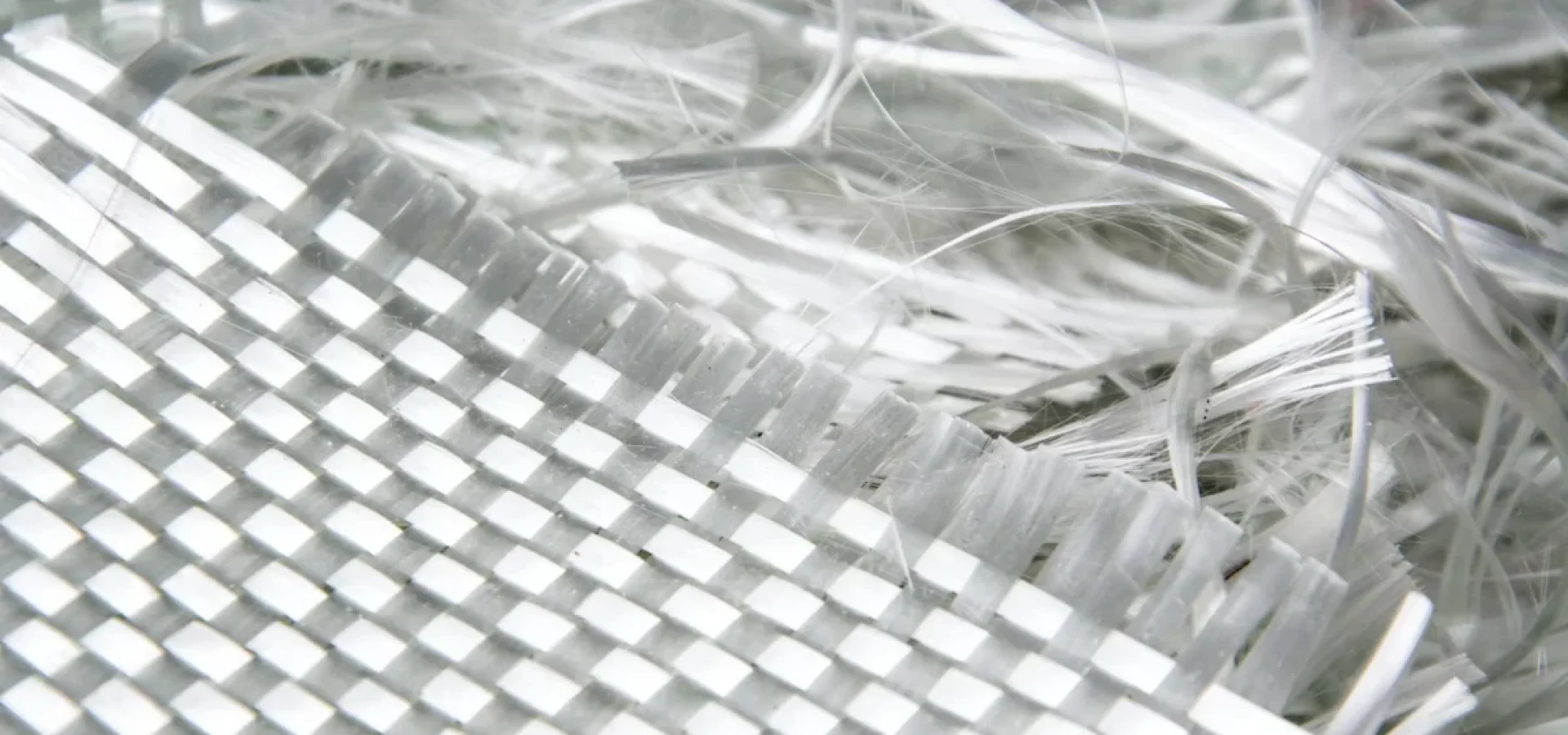
14. Glass Fiber Reinforced Plastic (FRP)

  • Core Components: Composite of glass fiber and resin matrix, density 1.8-2.0 g/cm³

  • Mechanical Properties: High strength, good rigidity, strong corrosion resistance, excellent insulation properties, and lower cost than carbon fiber composites.

  • Processing Characteristics: Easy to cut and drill, suitable for ordinary milling machines and radial drilling machines. Special cutting tools are required during processing to prevent glass fiber shedding. Forming and processing

  • Application scenarios: Equipment housings, protective covers, pipes, supports, insulating structural components

  • Advantages and highlights: High cost-effectiveness, balancing strength and corrosion resistance, suitable for structural and protective components in mid-to-high-end machinery

C. Material Selection Guide (Providing customers with accurate references)

15. Selection based on working conditions

  • High-load, high-speed transmission components: Prioritize 45# forged parts, 40Cr forged parts, and 42CrMo alloy structural steel

  • Heavy-duty equipment bases, beds, and housings: Prioritize gray cast iron (HT250/HT300) and ductile iron (QT500-7)

  • Corrosion-resistant scenarios (chemical, marine, food machinery): Prioritize 304/316 stainless steel, 5XXX series aluminum alloys, titanium alloys, and PTFE

  • Lightweight requirements (complex parts): Prioritize ADC12/A356 cast aluminum and 6XXX series aluminum alloys • Lightweight requirements (high-precision parts): Prioritize 7075 aluminum alloy and carbon fiber composite materials.

  • Mold manufacturing: Prioritize Cr12MoV, H13, and S136 mold steel.

  • Cutting tools and measuring instruments: Prioritize W18Cr4V high-speed steel and 9SiCr alloy tool steel.

  • Insulation and vibration-damping requirements: Prioritize non-metallic materials such as nylon, PC, and FRP.

16. Selection based on machining process:

  • High-precision machining (suitable for CNC lathes and vertical/horizontal/gantry machining centers): Select materials with good cutting performance, such as 45# steel, 40Cr, 304 stainless steel, 6XXX/7XXX aluminum alloys, mold steel, and tool steel.

  • Basic machining (suitable for ordinary lathes, milling machines, and drilling machines): Select easily machinable materials such as Q235, 20# steel, gray cast iron, brass, and nylon.

  • Precision grinding (suitable for ordinary grinding machines): Select 45# steel. # Steel, 40Cr, stainless steel, mold steel, tool steel, and other heat-hardening materials

  • Machining of large parts (suitable for gantry machining centers): Select gray cast iron, cast steel, and large forgings

  • Machining of complex-shaped parts: Select cast aluminum, cast steel, gray cast iron, and other casting materials

17. Selection based on cost budget

  • Economical and practical: Q235, gray cast iron (HT200), H62 brass, nylon, 1XXX series aluminum alloys, ZL401 cast aluminum

  • Cost-effective: 45# steel, 40Cr, 304 stainless steel, 6XXX series aluminum alloys, ADC12/A356 cast aluminum, ductile iron (QT450-10), FRP, T8 carbon tool steel

  • High-end customized: 316L stainless steel, titanium alloy, carbon fiber composite materials, 7XXX series aluminum alloys, S136 mold steel, W18Cr4V high-speed steel, high-alloy forgings