Metallic Materials (Core Material Category in Machining)
Metallic materials, due to their high strength, high toughness, and excellent machinability, are the most widely used category in machining, accounting for over 80%.
E. Non-ferrous Metals and Alloys (Preferred for lightweight, corrosion-resistant, and electrical/thermal conductivity requirements)
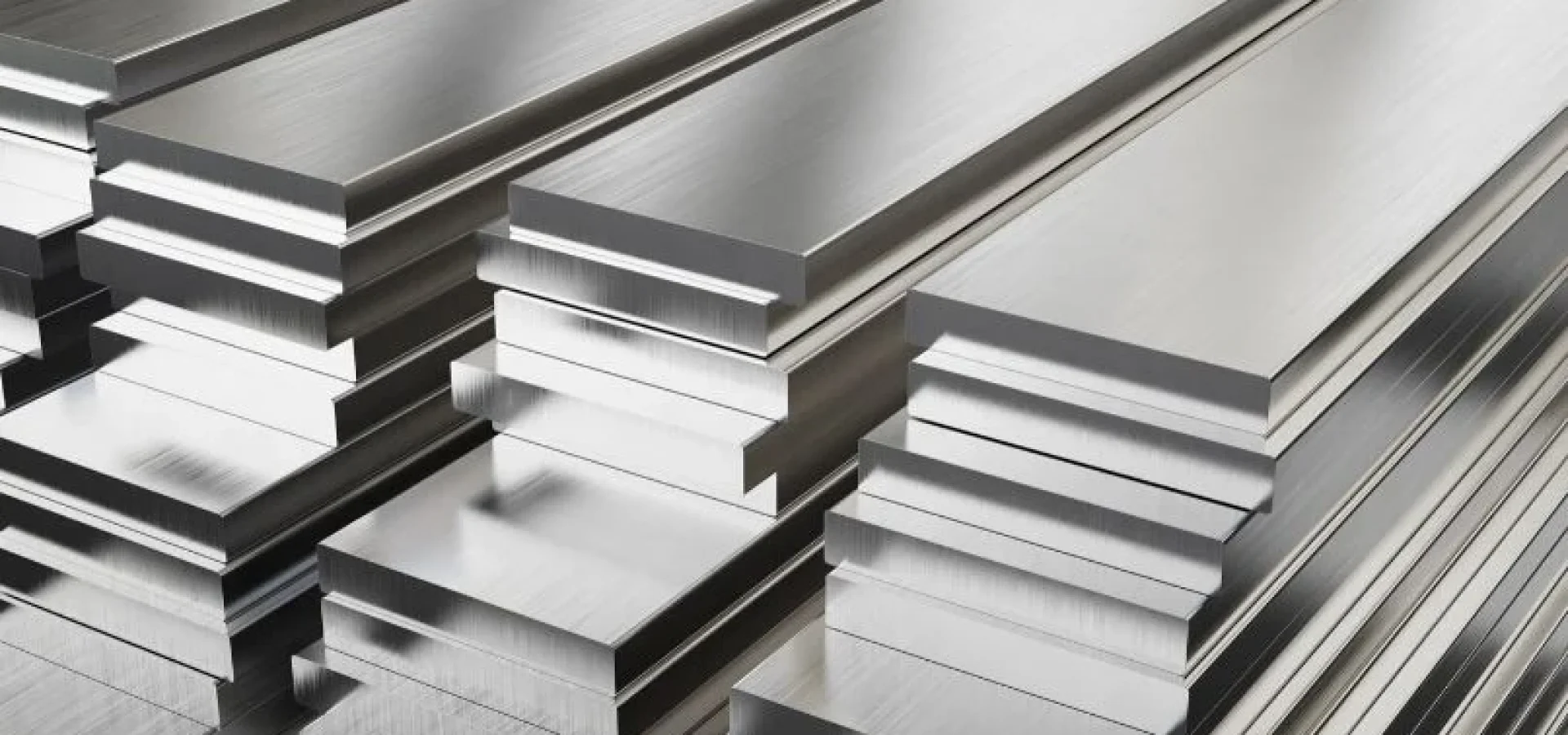
7. Aluminum Alloys
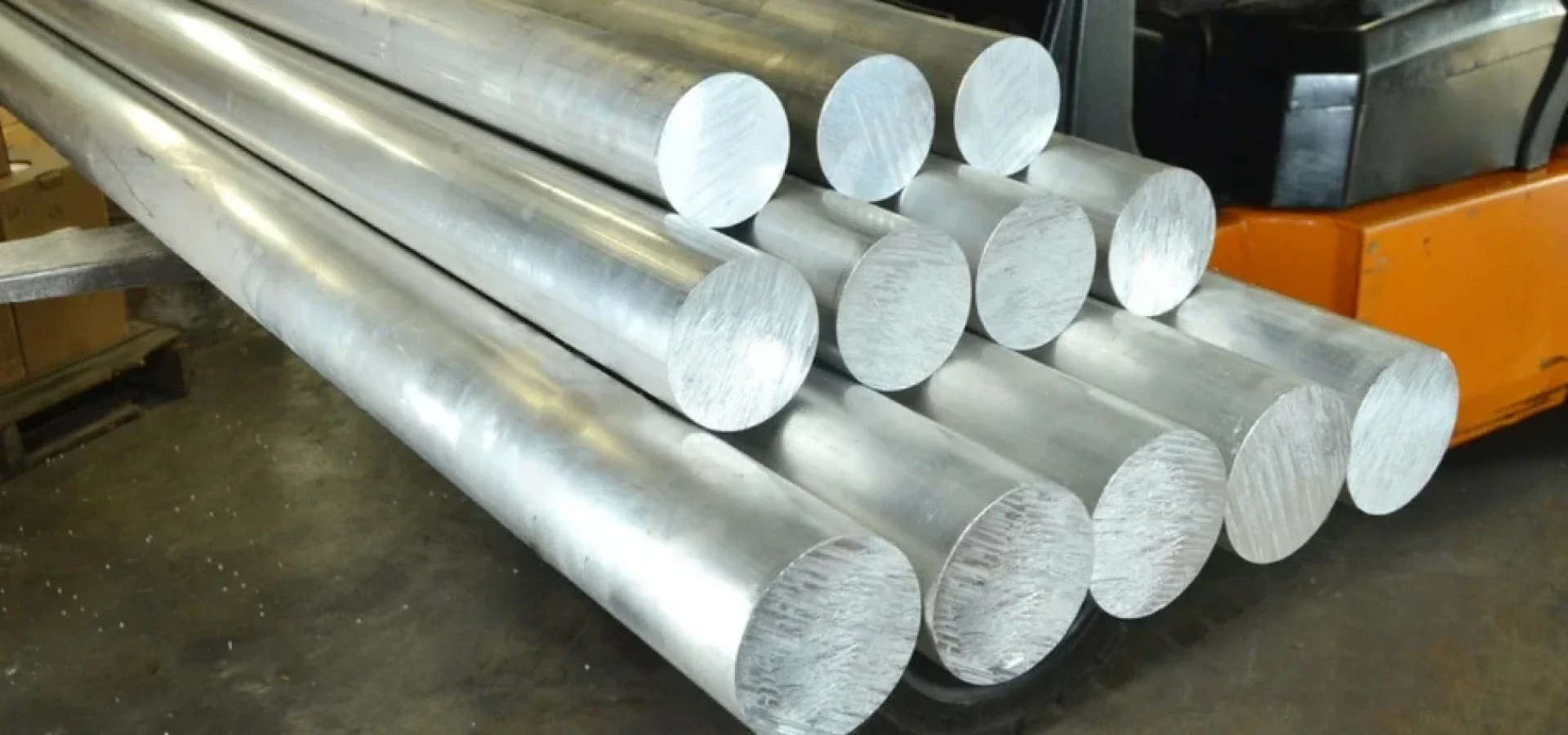
a. Wrought Aluminum Alloys (Commonly Used in Machining Cores)
- Representative Models and Series:
- 1XXX Series (Pure Aluminum): 1050, 1060, 1100 (Aluminum content ≥99.0%)
- 2XXX Series (Aluminum-Copper Alloy): 2024 (Contains 4.4% Copper, 1.5% Magnesium)
- 3XXX Series (Aluminum-Manganese Alloy): 3003, 3A21 (Contains 1.2%-1.6% Manganese)
- 5XXX Series (Aluminum-Magnesium Alloy): 5052, 5083, 5754 (containing 2%-5% magnesium)
- 6XXX Series (Aluminum-Magnesium-Silicon Alloy): 6061, 6063, 6082 (containing 0.4%-1.2% magnesium, 0.4%-1.3% silicon)
- 7XXX Series (Aluminum-Zinc-Magnesium-Copper Alloy): 7075, 7050 (containing 5%-7% zinc, 2%-3% magnesium, 1%-2% copper)
- Core Components and Mechanical Properties:
- XXX Series: High purity, excellent electrical and thermal conductivity (conductivity ≥60% IACS), good plasticity (elongation) ≥25%), but low strength (tensile strength ≤150MPa), excellent corrosion resistance
- 2XXX series: High strength (tensile strength ≥420MPa), high hardness (HB120-150), but poor corrosion resistance, requiring anodizing or chrome plating treatment
- 3XXX series: Good corrosion resistance, excellent plasticity, good weldability, medium strength (tensile strength 180-250MPa)
- 5XXX series: Excellent corrosion resistance (especially seawater corrosion resistance), good plasticity, medium to high strength (5083 tensile strength ≥300MPa) Pa), no risk of stress corrosion cracking
- 6XXX series: Optimal overall performance, moderate strength (6061 tensile strength ≥270MPa), good plasticity, excellent corrosion resistance, good weldability, and can be heat-treated for strengthening
- 7XXX series: Ultra-high strength (7075 tensile strength ≥540MPa), high hardness (HB150-180), close to ordinary steel, but with moderate corrosion resistance, requiring anti-corrosion treatment
- Machining characteristics:
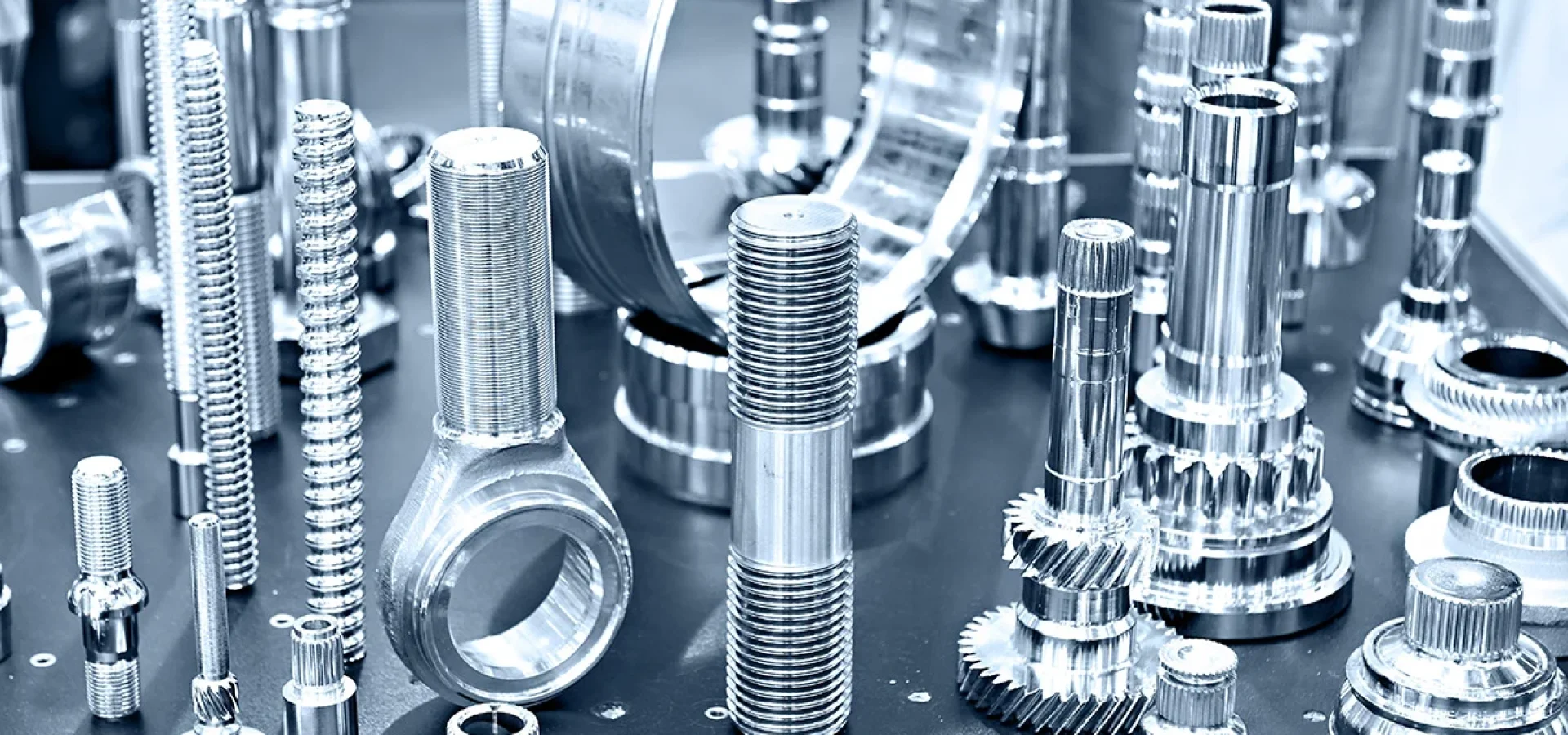
- Common: Generally excellent machinability, cutting speed 150-300m/min (7XXX series omitted) Low speed (120-250 m/min), suitable for CNC lathes, vertical machining centers, ordinary milling machines and other equipment, producing high surface finish (Ra0.8-Ra1.6μm); easy to drill, tap, and mill; some models (such as 6063) can be extruded and bent.
- Characteristics: 1XXX series is prone to tool sticking, requiring the addition of cutting fluid during machining; 2XXX and 7XXX series have higher hardness, requiring the use of carbide tools; 6XXX series has the most balanced machining performance, suitable for batch precision machining.
- Application Scenarios: ◦ 1XXX series: guide Electrical components, heat-conducting components, and decorative components, such as wires and cables, radiators, chemical equipment pipelines, and food machinery parts.
- 2XXX series: Aerospace parts, high-end mechanical structural components, and automotive parts, such as aircraft wing frames and high-strength connectors.
- 3XXX series: Heat exchangers, pressure vessels, marine fittings, and food processing equipment.
- 5XXX series: Marine machinery parts, ship decks, automotive bodies, and corrosion-resistant containers.
- 6XXX series: General-purpose mechanical structural components, automotive parts, electronic equipment housings, building profiles, and furniture accessories (6063 is commonly used in extrusion). Pressed profiles, 6061 is commonly used for machined parts.
- 7XXX series: aerospace core parts, high-end sports equipment, high-precision mechanical shafts, UAV frames
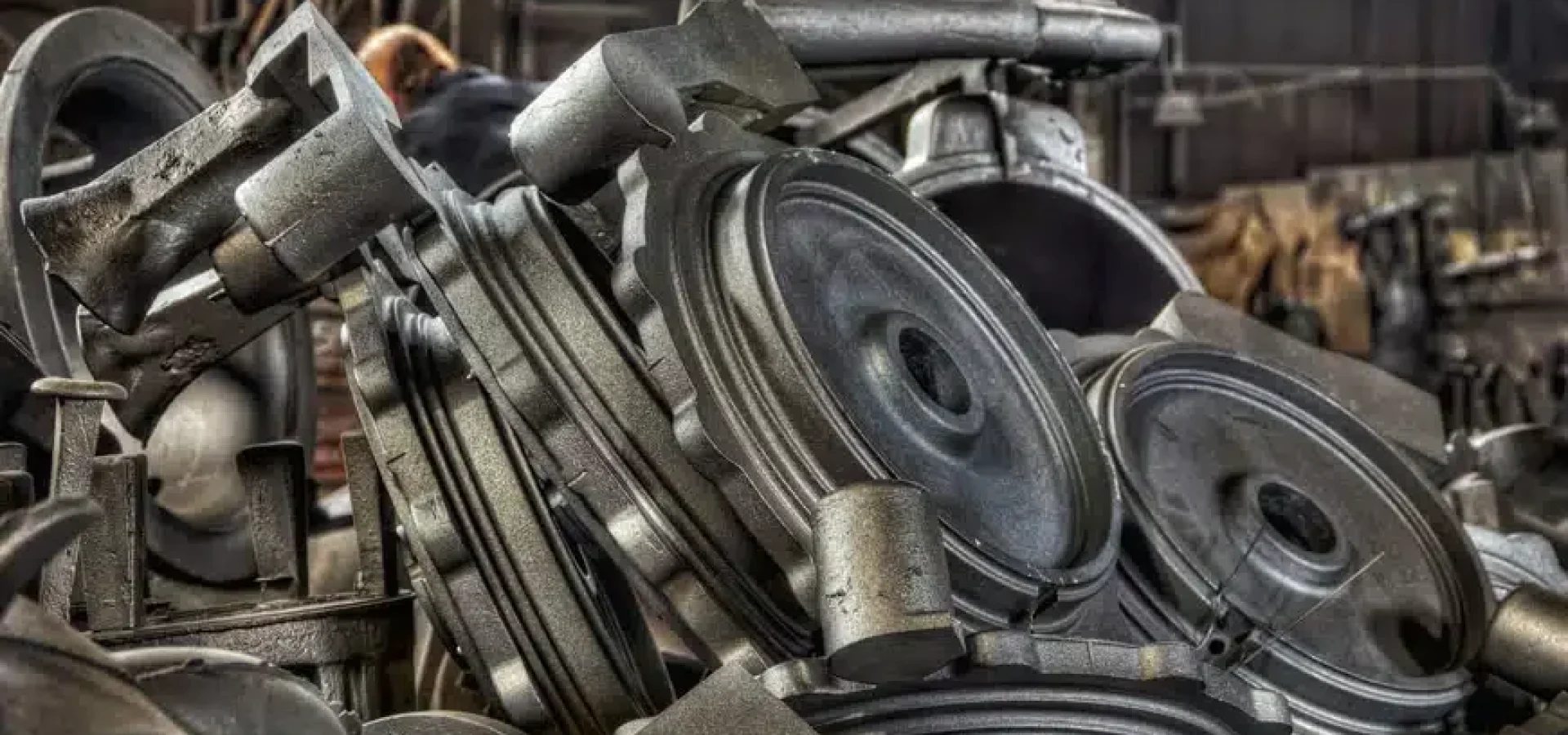
b. Cast aluminum/aluminum casting
- Aluminum-silicon alloys (ADC12, A356, ZL101, ZL104): Containing 6%-12% silicon, the most commonly used cast aluminum alloys
- Aluminum-copper alloys (ZL201, ZL203): Containing 4%-6% copper, high-strength cast aluminum alloys
- Aluminum-magnesium alloys (ZL301, ZL303): Containing 5%-10% magnesium Excellent corrosion resistance
- Aluminum-zinc alloys (ZL401, ZL402): Contain 8%-12% zinc, good casting performance, high strength
- Casting processes: Sand casting, die casting, gravity casting, low-pressure casting, among which die casting (ADC12, A356) and gravity casting (ZL101, ZL104) are the most widely used in machining
- Core components and mechanical properties:
- Aluminum-silicon alloys: Good fluidity, excellent casting performance, low shrinkage (0.8%-1.2%), not prone to porosity and shrinkage cavities; ADC12 has moderate strength (tensile strength ≥ A356 has higher strength (tensile strength ≥ 290 MPa) and good toughness (HB 80-100); A356 has even higher strength (tensile strength ≥ 290 MPa) and good toughness.
- Aluminum-copper alloy: High strength (ZL201 tensile strength ≥ 330 MPa), high hardness (HB 100-130), but poor corrosion resistance and average casting performance.
- Aluminum-magnesium alloy: Excellent corrosion resistance, good plasticity, and moderate strength (ZL303 tensile strength ≥ 200 MPa), but poor casting fluidity.
- Aluminum-zinc alloy: High strength (ZL401 tensile strength ≥ 300 MPa), good casting performance. Low cost, but poor corrosion resistance
- Machining characteristics:
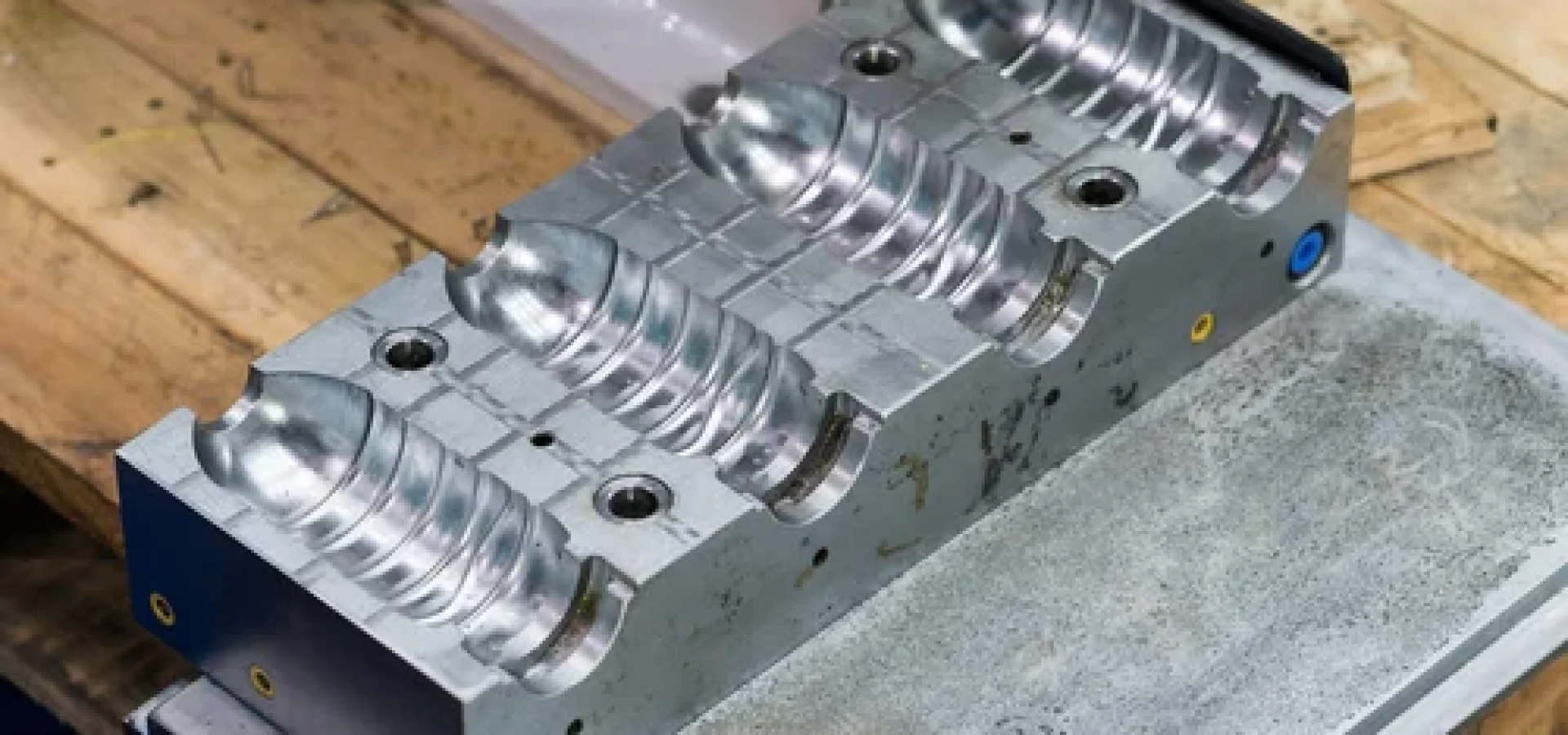
- Cast aluminum parts have poor surface roughness (Ra6.3-Ra12.5μm after casting), requiring machining (turning, milling, grinding) to improve accuracy. Suitable for CNC lathes, vertical machining centers, and conventional grinding machines.
- Aluminum-silicon alloys have the best machinability, low cutting resistance, low tool wear, and a cutting speed of 120-250m/min; aluminum-copper and aluminum-zinc alloys have higher hardness and require the use of carbide tools.
- Cast aluminum parts may have internal defects such as porosity and sand holes, requiring flaw detection before machining. Cutting depth must be controlled during processing to avoid edge chipping.
- Surface treatments such as anodizing, spraying, and electroplating can be performed to improve corrosion resistance and appearance.
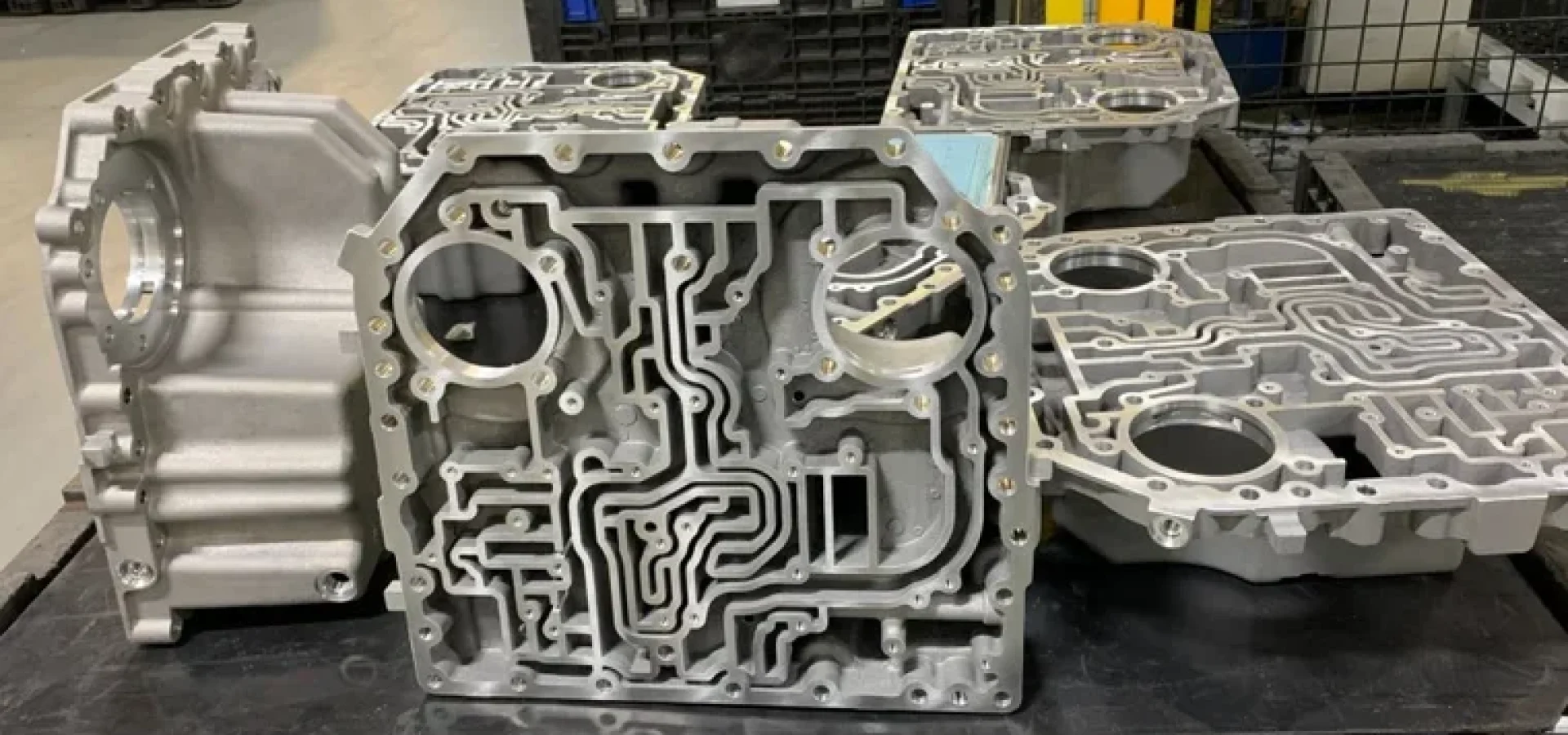
- Aluminum-silicon alloy (ADC12): Automotive parts (engine blocks, transmission housings, wheel hubs), electronic device housings, mechanical parts (valves, pump bodies)
- Aluminum-silicon alloy (A356, ZL101): High-end mechanical parts, aerospace parts, medical device housings
- Aluminum-copper alloy (ZL201): Heavy machinery structural parts, high-pressure valve housings, military parts
- Aluminum-magnesium alloy (… ZL303: Marine machinery parts, chemical equipment accessories, corrosion-resistant containers
- Aluminum-zinc alloy (ZL401): General mechanical parts, appliance housings, small structural components
Advantages and highlights: Significantly lightweight (density 2.6-2.8g/cm³), good casting performance, can be made into complex-shaped parts, high processing efficiency, lower cost than wrought aluminum alloys, making it the preferred material for lightweight complex parts in machining